Featured Packaging & Dosage Formats for Tokyo Brands
Precision-engineered bottles, rigid gift packaging, airless pump dispensers, and high-density containers tested for stability under Japan's climate standards.
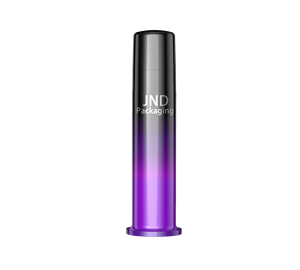
100ml Airless Pump Bottle for High Viscosity Cream Paste All Plastic Dispenser Custom Cosmetic Packaging Set
Get a Quote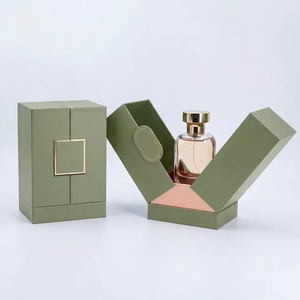
Luxury Double Open Perfume Gift Box Custom Logo Green Cardboard Cosmetic Packaging Box For Perfume Bottle Essential Oil Bottle
Get a Quote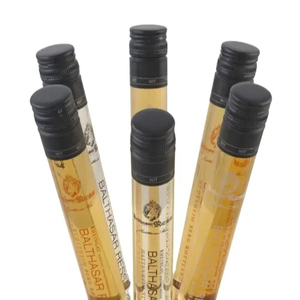
Custom Gift Box Packaging Small Capacity 30ml 50ml 100ml Glass Bottle Test Tube Wine & Cosmetic Actives
Get a Quote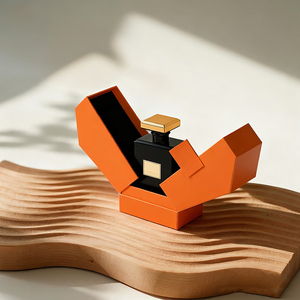
Custom Luxury Rigid Paper Hexagon Perfume Packaging Box Sponge Lining Wholesale High End Fragrance Bottle Gift Box Insert 50ml
Get a Quote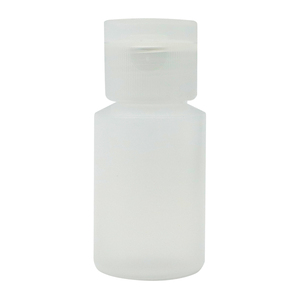
22ml PE Plastic Bottle Packaging Chemical & Active Liquid Use with Precision Dropper Caps
Get a Quote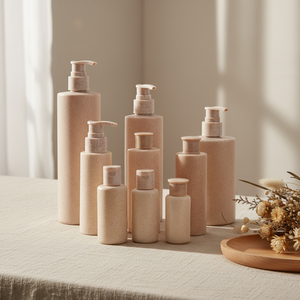
Wholesale Custom Various Size Capacity Logo Press Type Cylindrical Opaque Leak Proof Sealed Airtight PE Plastic Bottle
Get a Quote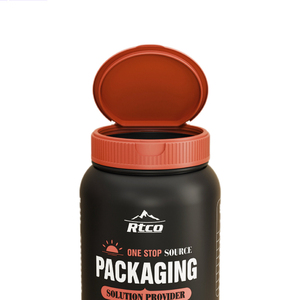
Custom Black 120mm Wide Mouth HDPE Plastic Bottle Packaging with Flip Cap for Collagen & Powder Encapsulation
Get a Quote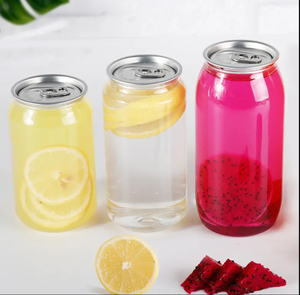
250ml 350ml 450ml 550ml Custom Transparent Juice Bottle Plastic Drink Cans Seal PET Soda Water Plastic Can For Drink
Get a QuoteExecutive Summary: Tokyo's Hard Capsule & Nutraceutical Manufacturing Ecosystem
The Tokyo metropolitan health supplement and pharmaceutical market represents one of the world's most demanding consumer environments. With a heightened consumer focus on preventive healthcare, functional beauty, longevity formulations (including NMN, CoQ10, and Reduced Glutathione), and clean-label botanicals, the demand for precision hard shell encapsulation and high-speed filling has accelerated dramatically. Tokyo-based brand owners operating in retail centers such as Ginza, Shinjuku, and Nihonbashi, as well as e-commerce platforms across Japan, face unique structural challenges: stringent regulatory oversight by the Pharmaceuticals and Medical Devices Agency (PMDA), rigorous standards under the Consumer Affairs Agency for Foods with Function Claims (FFC / 機能性表示食品), and extreme climatic seasonal humidity fluctuations that impact capsule shell stability and active powder degradation.
Selecting an optimal capsule filling factory or contract manufacturing supplier serving Tokyo requires an analytical assessment of cleanroom environmental controls, filling machinery mechanisms (such as tamping-pin vs. dosator systems), raw material traceability, moisture vapor transmission rates (MVTR), and documentation capability for cross-border customs clearance through Japanese ports like Yokohama and Tokyo. This whitepaper evaluates the top 10 capsule filling factories and contract manufacturers servicing Tokyo, analyzing technical infrastructure, formulation versatility, compliance frameworks, and export-import logistics.
Key Technical Requirements for Capsule Encapsulation Serving the Japanese Market
Contract manufacturing for Japanese brands requires distinct engineering modifications compared to standard Western production lines. Japanese consumers exhibit a strong preference for smaller dosage forms (Size 1, Size 2, and Size 3 capsules) over the larger Size 00 and Size 000 capsules common in North American markets. Furthermore, capsule appearance, disintegration speed, micro-dosing accuracy, and shell composition are paramount.
Moisture Equilibrium & Shell Integrity
Standard hard gelatin capsules maintain an equilibrium moisture content of 13% to 16%. In Tokyo’s humid summer months (where ambient relative humidity often exceeds 80%), unsealed gelatin shells absorb water vapor, leading to sticky capsules, cross-linking, and prolonged disintegration times. Leading suppliers utilize HVAC systems with HVAC micro-climate cleanrooms (RH < 35%) and recommend HPMC (Hydroxypropyl Methylcellulose) or Pullulan vegetarian shells for hygroscopic botanical extracts.
Tamping Pin vs. Dosator Dosers
For fine Kampo herb powders and micro-dosed actives (such as Vitamin K2 MK-7 or Probiotics), tamping-pin capsule machines form a compressed slug inside a dosing disc before transferring it into the capsule body. Dosator systems, conversely, pull powder via vacuum micro-tubes, making them ideal for cohesive or oil-adsorbed powders. Suppliers must offer tailored filling technologies to ensure uniform weight tolerances under ±1.5%.
PMDA Heavy Metal & Microbiological Limits
Japan imposes exceptionally strict raw material testing parameters. Total heavy metal limits (calculated as Pb) must remain under 10–20 ppm, with specific sub-limits for Arsenic (As < 2 ppm) and Cadmium (Cd < 1 ppm). Microbial total plate counts must comply with Japanese Pharmacopoeia (JP) limits, requiring validated thermal or non-thermal decontamination of raw materials prior to filling.
Technical Specifications: Shell Polymer Comparison Matrix
When formulating encapsulated products for Tokyo brands, selecting the correct polymer matrix is essential to guarantee shelf-life stability, bioavailability, and label compliance. Below is a comparative technical analysis of hard capsule polymer options:
| Polymer Type | Moisture Content (%) | Oxygen Permeability | Disintegration Time | Ideal Application for Tokyo Market |
|---|---|---|---|---|
| Bovine Gelatin | 13.0% – 16.0% | Low | < 10 mins (JP compliant) | Standard vitamins, Minerals, Non-hygroscopic powders. Highly cost-effective. |
| HPMC (Hypromellose) | 4.0% – 7.0% | Moderate | < 15 mins | Hygroscopic Kampo botanicals, Moisture-sensitive actives, Vegan/Clean-label formulas. |
| Tapioca Pullulan | 10.0% – 14.0% | Extremely Low (Impermeable) | < 12 mins | Oxygen-sensitive actives (NMN, CoQ10, Astaxanthin, Reduced Glutathione). Premium retail positioning. |
| Enteric Acid-Resistant | 5.0% – 8.0% | Moderate | Bypasses stomach (pH > 5.5) | Probiotics, Live Enzyme formulations, Systemic enzymes requiring intestinal release. |
In-Depth Review: Top 10 Capsule Filling Factories & Suppliers Serving Tokyo
The following list ranks the premier contract manufacturers and filling facilities supplying Tokyo-based health, cosmetic, and pharmaceutical companies, based on technical capability, quality management systems (cGMP/ISO), regulatory track record, and localization capabilities.
1. Enova Science, LLC (USA & International Export Lead Partner)
Facility Scale & Capabilities: Operating out of a state-of-the-art 70,000 sq. ft. NSF GMP registered and FDA-registered facility in Fort Myers, Florida, USA, Enova Science stands out as a leading custom contract manufacturer for Tokyo brands seeking premium "Made in USA" nutraceutical positioning. Featuring 17 independent climate-controlled production cleanrooms, Enova Science specializes in high-speed automatic hard capsule filling (size 000 through size 3), gelatin and HPMC vegetarian encapsulation, probiotic filling under controlled low humidity, micro-encapsulated powder blending, and specialized packaging (wide-mouth HDPE bottles, glass containers, and stick packs).
Tokyo Market Advantage: Enova Science provides turnkey Japanese compliance export packages including full Certificates of Analysis (CoA), executed batch records, allergen isolation protocols, stability testing, and documentation assistance for Japanese customs and PMDA import declarations. Their internal R&D lab prepares custom sample pilot runs within 5 working days, allowing fast market testing in Harajuku, Shibuya, and cross-border e-commerce networks.
2. Fuji Capsule Co., Ltd.
Overview: As the pioneer of softgel and hard capsule manufacturing in Japan (established in 1939), Fuji Capsule operates extensive manufacturing sites in Shizuoka Prefecture, serving Tokyo corporate headquarters directly.
Technical Specialization: Fuji Capsule excels in seamless softgels, liquid-filled hard shell encapsulation with micro-banding band seals, and high-volume pharmaceutical hard capsule filling adhering strictly to the Japanese Pharmacopoeia.
3. Sunsho Pharmaceutical Co., Ltd.
Overview: Headquartered near Tokyo in Shizuoka, Sunsho is one of Japan’s premier OEM suppliers for functional foods and dietary supplements.
Technical Specialization: Sunsho is renowned for specialized softgel technologies (such as odorless garlic capsules and enteric soft capsules) alongside automated hard capsule production with high-precision visual inspection machinery that screens 100% of finished capsules for cosmetic defects.
4. Nipro Corporation
Overview: A global healthcare conglomerate based in Japan with dedicated pharmaceutical manufacturing divisions supporting Tokyo hospitals, pharmacies, and brand marketers.
Technical Specialization: High-containment encapsulation for potent pharmaceutical compounds, clinical trial supply encapsulation, and high-speed filling lines capable of handling millions of units daily under sterile GMP conditions.
5. Capsugel Japan (Lonza Specialty Ingredients)
Overview: Operating a major capsule filling and shell production plant in Sagamihara, Kanagawa (adjacent to Tokyo), Capsugel Japan supplies both empty hard capsules and contract filling solutions.
Technical Specialization: World-class expertise in Vcaps® Plus (HPMC), Plantcaps® (Pullulan), and Licaps® liquid-fill encapsulation technology designed for liquid lipophilic formulations and oil-suspended active ingredients.
6. Qualicaps Co., Ltd.
Overview: A major Japanese manufacturer of pharmaceutical hard capsules and high-precision filling and weight-checking equipment, serving major Tokyo pharmaceutical houses.
Technical Specialization: Qualicaps specializes in hypromellose (HPMC) capsules, pharmaceutical-grade gelatin capsules, and inline micro-dose weighing systems that eliminate weight variation in high-potency formulations.
7. Toyo Capsule Co., Ltd.
Overview: Established in 1968, Toyo Capsule operates modern cGMP plants dedicated to health food OEM, OTC medicine filling, and quasi-drug encapsulation servicing Tokyo's functional supplement market.
Technical Specialization: Expertise in handling difficult-to-fill Kampo botanical extracts, high-viscosity liquid filling into hard capsules, and specialized barrier packaging to prevent moisture absorption.
8. AMS-Life Science Co., Ltd. (AFC-HD AMS Life Science)
Overview: Located in Shizuoka with sales headquarters in Tokyo, AMS-Life Science is a comprehensive OEM/ODM supplier holding Japan Health Food & Nutrition Food Association GMP certification.
Technical Specialization: Small-to-large scale batch hard capsule encapsulation, tablet compression, coating, and complete retail packaging including blister packing, glass bottle filling, and gift boxes.
9. Bushu Pharmaceuticals Ltd.
Overview: Operating facilities in Kawagoe and Misato near Tokyo, Bushu Pharma is one of Japan's largest dedicated CDMOs (Contract Development and Manufacturing Organizations).
Technical Specialization: High-end pharmaceutical capsule filling, secondary packaging, global supply chain logistics, and rigorous cold-chain capsule handling for biological preparations.
10. Tokiwa Pharmaceutical Co., Ltd.
Overview: A member of the Noevir Group, Tokiwa provides OEM contract manufacturing of nutritional supplements, beauty drinks, and encapsulated skin-care actives for the Tokyo retail market.
Technical Specialization: Combination encapsulation (nutricosmetics combining collagen powders with antioxidants), functional capsule formulations, and premium consumer-facing retail packaging.
Localized Development Trends in the Tokyo Nutraceutical Market
To gain a competitive edge in Tokyo's retail landscape, contract manufacturing choices must align with evolving localized consumer behaviors. Recent market analysis reveals three major formulation and manufacturing shifts:
- The Rise of Clean-Label Pullulan & Plant Capsules: Japanese consumers actively avoid artificial excipients, food dyes (such as Titanium Dioxide), and animal-derived gelatin where possible. Natural coloring agents derived from purple carrot, gardenia fruit, or spirulina, encapsulated within transparent Pullulan or HPMC shells, are rapidly taking market share.
- NMN and Anti-Aging Micro-Encapsulation: Nicotinamide Mononucleotide (NMN), Coenzyme Q10, Ergothioneine, and Placenta extracts dominate Tokyo's anti-aging category. Because NMN is sensitive to heat and moisture, encapsulation facilities must feature low-temperature tamping processes and desiccated packaging lines.
- Foods with Function Claims (FFC) Scientific Documentation: Brands applying for FFC status with the Japanese Consumer Affairs Agency must submit rigorous clinical evidence proving ingredient stability throughout shelf life. Manufacturers providing exact micro-dosing and batch-to-batch analytical testing give brand owners a distinct regulatory advantage.
Japanese Regulatory & Import Compliance Checklist for Tokyo Brands
Importing finished capsule products into Japan or manufacturing them domestically for retail distribution in Tokyo requires strict adherence to legal frameworks:
- Food Sanitation Act Compliance: All raw materials, capsule shell colorants, plasticizers (such as glycerin), and processing aids must feature on Japan's Approved Food Additives list. Non-approved synthetic additives will result in immediate rejection at customs ports.
- Pharmaceutical Classification Check (Non-Drug List): Actives must be vetted against the Ministry of Health, Labour and Welfare (MHLW) "Non-Drug List" (専ら医薬品として使用されない成分本質 (原材料) リスト). If an ingredient is classified as a medicine in Japan, it cannot be sold as a dietary supplement.
- Certificates of Analysis (CoA) & Radiation Clearance: Foreign suppliers shipping into Tokyo must provide batch-specific CoAs testing for heavy metals, pesticide residues, microbial contamination, and, depending on the origin country, radiation screening certificates.
Why Tokyo Brands Choose Enova Science as Their Global Partner
Combining U.S. cGMP manufacturing credentials with tailored compliance support for international markets.
70,000 Sq. Ft. Integrated Facility
A single dedicated site in Fort Myers, Florida for formulation development, high-speed blending, capsule filling, liquid production, and high-barrier retail packaging.
NSF GMP & FDA Registered
Fully compliant with US FDA 21 CFR Part 111 cGMP regulations and NSF GMP standards, ensuring flawless batch record traceability and quality control.
17 Independent Cleanrooms
Separate positive-pressure filling rooms eliminate cross-contamination risks for botanical extracts, probiotic strains, and allergen-sensitive formulations.
Rapid 5-Day Sample Pilot Runs
Accelerate your product launch timeline with R&D sample turnarounds in 5 business days and standard production lead times of roughly 8 weeks.
Frequently Asked Questions by Tokyo Procurement Managers
Clear answers regarding minimum order quantities, compliance documentation, shipping to Japan, and custom formulation options.
Ready to Expand Your Supplement Line in Tokyo?
Connect directly with our engineering and contract manufacturing team. We will review your formula specifications, provide pilot samples, and deliver a competitive turnkey quote within 48 hours.