High-Purity Bulk Powder Ingredients Catalog
Verified commercial and technical grade powders manufactured under strict ISO/cGMP protocols. Select your ingredient below to request technical specification sheets and bulk quotes.
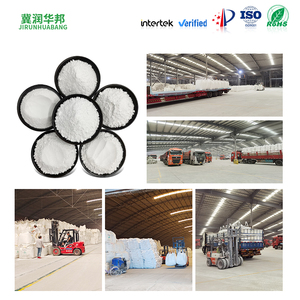
Bulk White Cosmetic Talcum Powder 325-6000 Mesh Body & Ceramic Talc Powder
- Micronized Mesh: 325 to 6000 Mesh
- Purity Rating: Highly Purified Hydrous Magnesium Silicate
- Application: Cosmetic Formulations & Fine Ceramics
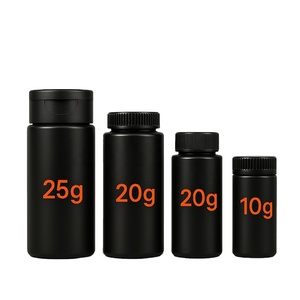
Low MOQ Private Label Custom Fluffy Hair Styling Texturizing Powder
- Formulation: Silica Silylate Base / Volumizing
- Packaging: Custom Plastic Jar / OEM Branding
- Hold Grade: Lightweight Mattifying Lift
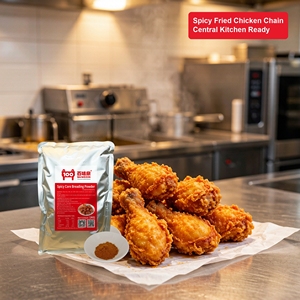
Factory Custom Commercial Fried Chicken Seasoning & Breading Mix
- Packaging: 1KG / 5KG / Wholesale Bulk Drums
- Compliance: Food-Grade Hazard Control Verified
- Flavor Profile: High-Adhesion Crispy Coating
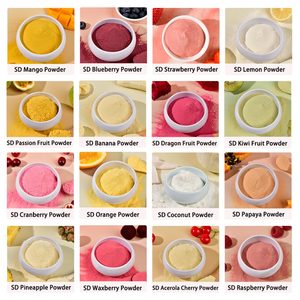
Spray-Dried Fruit & Vegetable Water-Soluble Superfood Mix Powder
- Technology: Low-Temperature Spray Drying
- Solubility: 100% Instant Water Soluble
- Quality: Nutrient Retention / Non-GMO
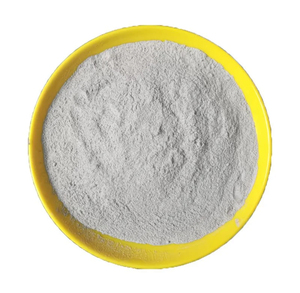
Bulk Supply Microsilica Powder 92% SiO2 Refractory Grade Silica Fume
- Content: ≥ 92% Silicon Dioxide (SiO2)
- Packaging: 25kg Bag or 1 Ton Jumbo Tote
- Grade: Refractory & High-Strength Concrete
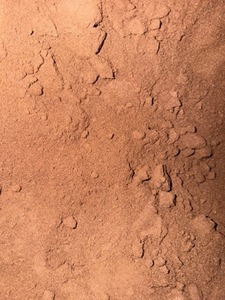
Natural 100% Ground Vanilla Bean Powder (Madagascar Bourbon Pods)
- Source: 100% Sun-Dried Madagascar Bourbon
- Purity: Zero Fillers, Zero Sugar Added
- Application: Gourmet Bakery & Functional Beverage
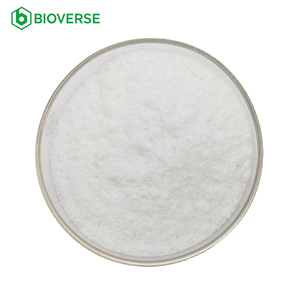
Magnesium Glycinate Powder Bulk Pure CAS 14783-68-7 Nutraceutical Grade
- CAS Identification: 14783-68-7
- Assay: 98.5% - 101.0% High Bioavailability
- Standards: USP / FCC / cGMP Compliant

100% Pure Ceremonial Matcha Powder Stone-Ground Organic Green Tea
- Processing: Traditional Granite Stone Ground
- Origin: First Harvest Shade-Grown Tencha
- Certifications: Organic / Heavy Metals Tested
Why Institutional Buyers Partner with Enova Science
Operating out of our primary 70,000 sq. ft. NSF GMP registered and FDA-registered contract facility in Fort Myers, Florida, Enova Science delivers end-to-end processing for global powder supply chains.
Isolated Cleanroom Processing
Our facility houses 17 environmentally controlled, positive-pressure air handling suites designed to eliminate cross-contamination between botanical extracts, active pharmaceuticals, cosmetic talcs, and allergen food powders.
Advanced Micronization & Spray-Drying
Equipped with fluid-bed dryers, jet mills, and high-shear blenders capable of milling powders down to ultra-fine specs (325 to 6000 mesh) while preserving biological activity and thermal stability.
In-House Analytical Quality Control
Every raw lot undergoes heavy metal screening via ICP-MS, HPLC active constituent testing, physical bulk density analysis, and comprehensive microbiological limits testing before release.
Strategic Technical Whitepaper: Top 10 Bulk Powders Supplier Evaluation Criteria & Supply Chain Risk Mitigation
The global procurement market for bulk powder raw materials—spanning pharmaceutical active ingredients (APIs), nutraceutical bio-actives, food-grade botanical extracts, cosmetic minerals, and high-spec industrial micro-silica—has entered a new phase of regulatory enforcement and technological rigor. Sourcing officers, R&D chemists, and contract manufacturers can no longer rely purely on unit cost per kilogram. Modern B2B sourcing requires evaluating raw material suppliers through the dual lenses of chemical stability, particle-size distribution dynamics, global regulatory compliance (FDA cGMP, NSF, REACH, Halal, Kosher), and verifiable proof of supply chain continuity.
When shortlisting candidate organizations from among the top 10 bulk powder suppliers, procurement directors must analyze operational data across four core industrial sectors: Industrial & Refractory Minerals, Cosmetic & Personal Care Powders, Nutraceutical Active Ingredients, and Food & Beverage Soluble Extracts. Below is a comprehensive analysis of the physical, analytical, and logistics variables that dictate successful enterprise powder sourcing.
Core Procurement Rule for Bulk Material Sourcing: The true commercial value of a bulk powder supplier lies not in the raw FOB price, but in the batch-to-batch uniformity of particle morphology, moisture content (Loss on Drying - LOD), heavy metal thresholds, and full regulatory traceability (CoAs backed by ISO 17025 third-party validation).
Technical Classification Matrix of Commercial Bulk Powders
| Category | Standard Powder Specifications | Critical Quality Attributes (CQAs) | Primary Global Compliance Standards |
|---|---|---|---|
| Nutraceutical Actives (e.g., Magnesium Glycinate) | Purity ≥ 98.5%, Fine Crystalline, 80-100 Mesh | Elemental Metal Assay (Pb < 0.5ppm), Chelation Stability, Tapped Density | USP / FCC / FDA cGMP / NSF Registered |
| Cosmetic Minerals (e.g., Talcum 325-6000 Mesh) | Hydrous Mag-Silicate, Sub-micron Micronization | Zero Asbestos Contamination, Whiteness Index > 92%, Asbestos Free | USP Monograph / ISO 22716 / REACH Compliance |
| Food & Superfoods (e.g., Ceremonial Matcha / Fruit Powders) | 100% Water Soluble / Stone-Ground 1000 Mesh | Pesticide Residue Screen, Polyphenol/EGCG Potency, Microbial Counts | USDA Organic / ISO 22000 / HACCP / Halal |
| Refractory & Industrial (e.g., Microsilica 92% SiO2) | Amorphous Silica Fume, Ultra-fine Spherical | PoZZolanic Activity Index, Loss on Ignition (LOI < 3%), Moisture < 1% | ASTM C1240 / EN 13263 / Industrial Material Safety |
Deep Dive into Particle Size Distribution (PSD) & Micronization Engineering
A primary failure point in bulk powder manufacturing involves particle segregation during transport and inconsistent dissolve/reaction kinetics during downstream production. Whether formulating a instantized protein blend, compressing a pharmaceutical tablet, or casting high-strength refractory ceramics, understanding particle size mechanics is non-negotiable.
1. Sub-Micron Fine Mineral Processing (325 to 6000 Mesh)
In cosmetic minerals such as body talc and specialty silica, screen size transitions from conventional sieve mesh to micrometer-level particle size distribution (D10, D50, D90 measurements via laser diffraction). A 6000-mesh talcum powder yields average particle diameters under 2 microns. This extreme surface area demands cleanroom jet-milling technology to prevent static agglomeration and ensure even distribution in topical emulsions or ceramic slips.
2. Instantized Spray-Drying & Water Solubility Engineering
For fruit, vegetable, and botanical superfood extracts, raw dehydration yields hydro-hygroscopic cake powders that clump immediately upon contact with water. Top tier bulk suppliers utilize specialized carrier matrix systems (such as non-GMO tapioca maltodextrin or acacia gum) coupled with multi-stage spray drying towers. This process coats individual botanical droplets, producing free-flowing agglomerated granules that achieve instantaneous dissolution without compromising heat-sensitive antioxidant profiles or natural pigments.
3. Active Ingredient Chelation & Density Control
In bulk nutraceutical compounds—exemplified by Magnesium Glycinate (CAS 14783-68-7)—the molecular binding of elemental magnesium to glycine amino acid ligands dictates bio-absorption. Chelation incomplete raw batches result in high free-magnesium oxide contamination, causing severe gastrointestinal distress in end-consumers. Furthermore, monitoring bulk density (loose density vs. tapped density) is vital for capsule contract manufacturing: if bulk density fluctuates by more than ±5%, high-speed automated encapsulation machinery will yield fluctuating capsule fill weights, triggering costly lot rejections.
Macro Procurement Trends Shaping the Global Bulk Powder Industry (2026–2030)
As corporate purchasing managers navigate evolving supply chains, four structural trends are defining competitive advantage when selecting bulk powder manufacturing partners:
Trend 1: Nearshoring & Domestic cGMP Facility Reliance
While overseas suppliers offer low initial baseline quotes, hidden costs stemming from import tariffs, unexpected port customs holds, supply chain congestion, and questionable CoA verification have caused major US brands to shift strategic sourcing toward domestic cGMP manufacturers. Having production assets, R&D labs, and finished inventory warehouse space located in facility hubs like Fort Myers, Florida drastically reduces total lead times from 16 weeks down to a turnkey 8-week schedule.
Trend 2: Clean-Label & Synthetic Chemical Replacement
Consumer pressure across the food, personal care, and supplement industries has accelerated the phase-out of synthetic flowing agents (such as silicon dioxide or magnesium stearate) and artificial colorants. In response, bulk suppliers are engineering organic-certified natural alternatives, such as stone-ground organic Matcha powders for natural green hues, or ground Madagascar vanilla bean powders to replace synthetic ethyl vanillin flavorings.
Trend 3: Stringent Heavy Metal & Contaminant Verification (Prop 65 & Amazon Compliance)
Marketplace platforms such as Amazon Seller Central and strict regional legislation like California's Proposition 65 have established ultra-low parts-per-million (PPM) thresholds for Lead (Pb), Cadmium (Cd), Arsenic (As), and Mercury (Hg). Leading bulk powder suppliers now provide complete Inductively Coupled Plasma Mass Spectrometry (ICP-MS) diagnostic sheets with every commercial shipment, establishing full legal defensibility for downstream brand owners.
Trend 4: Sustainable Industrial Packaging & Bulk Logistics
From 25kg multi-wall moisture-barrier paper sacks to 1-Ton woven polypropylene jumbo bags equipped with anti-static liners, eco-optimized heavy packaging is now standard. B2B purchasers demand packaging systems that prevent moisture absorption (hydrating ambient humidity during ocean freight) while minimizing plastic waste footprints.
Frequently Asked Questions (Bulk Powder Procurement)
Get fast, authoritative answers regarding operational capabilities, order minimums, testing protocols, and documentation deliverables.
What certificates and quality testing accompany bulk powder shipments?
Every bulk shipment includes a comprehensive Certificate of Analysis (CoA) detailing lot identity, physical appearance, particle size distribution (mesh/sieve analysis), moisture content (LOD), chemical assay/potency, heavy metal limits (ICP-MS), and microbiological limits (Total Plate Count, Yeast/Mold, Salmonella, E. coli).
What are the standard Minimum Order Quantities (MOQs) for factory-direct bulk orders?
MOQs depend on material classification. Standard stock ingredients (such as bulk Magnesium Glycinate or Microsilica) start at 25kg fiber drums or 1-ton jumbo bags. Custom micronized formulations, private label blends, or custom spray-dried botanical mixes typically start at 500kg to 1,000kg runs.
How do you manage moisture control during international ocean freight shipping?
Powders prone to hygroscopic caking are packaged using heat-sealed multi-layer aluminum foil liners, heavy-gauge polyethylene inner bags, and desiccants housed inside rigid fiber drums or moisture-resistant outer cartons to guarantee stability during trans-oceanic transit.
Can Enova Science develop custom private label powder blends or seasoning formulas?
Yes. Our in-house R&D team specializes in custom dry blending, flavoring, color matching, and particle instantization. We formulate custom commercial seasoning mixes, protein/superfood powder blends, and technical hair-styling powders tailored to exact customer specs.
How can I verify if cosmetic talcum powder is completely asbestos-free?
We perform rigorous X-ray Diffraction (XRD) and Transmission Electron Microscopy (TEM) analysis on all raw talc minerals to certify 100% absence of amphibole and serpentine asbestos fibers before processing into cosmetic or body powder grades.
What is your typical turnaround time from RFQ to production release?
Formal price quotes and technical specification reviews are returned within 48 hours. Laboratory sample matching takes approximately 5 business days, while standard full-scale production runs average 8 weeks from packaging sign-off.
Request Your Custom Bulk Powder Quotation & Technical Sample Kit
Connect directly with our engineering and procurement team. Submit your target ingredients, required mesh sizes, estimated annual volume, and packaging specs for an enterprise quote within 48 hours.