Featured Wholesale Bulk Softgels & Custom Formulas
Direct-from-factory OEM/ODM solutions engineered under strict cGMP protocols and verified by independent analytical testing.
Advanced Softgel Manufacturing Capabilities
Combining pharmaceutical-grade encapsulation technology with tailored lipid bioavailability matrix engineering.
High-Precision Rotary Encapsulation
Utilizing fully automated die-roll encapsulation systems imported from leading engineering partners, ensuring fill-weight precision within ±1.5% and hermetic seam integrity.
Enteric & Vegan Matrix Engineering
Pioneering tapioca starch and carrageenan-based non-animal shells alongside targeted release enteric coatings that bypass gastric degradation for maximum intestinal absorption.
Rigorous Analytical QA/QC
In-house laboratory equipped with High-Performance Liquid Chromatography (HPLC) and Gas Chromatography (GC) to guarantee fatty acid profiles, heavy metal limits, and TOTOX indices.
Technical Whitepaper: The Bioavailability & Matrix Advantage of Bulk Softgel Manufacturing
Softgel capsules (soft gelatin capsules or plant-based soft elastic capsules) represent the gold standard delivery system for lipophilic dietary ingredients, oil-soluble vitamins, and complex suspension matrices. Unlike conventional compressed tablets or hard-shell capsules, softgels enclose a liquid, suspension, or semi-solid fill within a continuous, hermetically sealed shell. This structural configuration provides superior protection against atmospheric oxygen, moisture, and light-induced oxidation—factors critical to maintaining the molecular integrity of sensitive active pharmaceutical ingredients (APIs) and nutraceutical compounds.
1. Lipid-Based Formulation Science & SEDDS Integration
One of the primary drivers for selecting softgels over solid dosage forms is the ability to incorporate Self-Emulsifying Drug Delivery Systems (SEDDS) and Self-Microemulsifying Drug Delivery Systems (SMEDDS). When lipophilic compounds such as Coenzyme Q10, Astaxanthin, Vitamin D3/K2, or Omega-3 EPA/DHA fatty acids are pre-dissolved in specialized lipid carriers (e.g., medium-chain triglycerides, extra virgin olive oil, or lecithin emulsifiers), they remain in solubilized state throughout passage through the gastrointestinal tract.
2. Gelatin Shell Physics vs. Next-Generation Plant-Based Shells
The standard softgel shell matrix relies on high-bloom pharmaceutical gelatin (typically 150–200 Bloom bovine or porcine hide/bone gelatin) combined with plasticizers such as glycerin, sorbitol, or non-crystallizing sorbitol special solutions. The ratio of plasticizer to dry gelatin determines shell flexibility, hardness, and moisture vapor transmission rates (MVTR).
To meet the surging global demand for clean-label, Halal, Kosher, and vegan-compliant nutraceuticals, China's leading bulk softgel manufacturers have perfected Vegetarian Tapioca Starch & Carrageenan Shell Technologies. Plant-based softgel shells exhibit exceptional thermal stability, resisting cross-linking even under elevated temperature and humidity conditions (e.g., Zone IV stability testing at 40°C / 75% RH), making them ideal for high-humidity global distribution channels.
| Matrix Property | Standard Bovine Gelatin Shell | Modified Tapioca Starch / Carrageenan Shell | Targeted Enteric Release Shell |
|---|---|---|---|
| Origin | Bovine / Porcine Collagen | 100% Plant-Derived Tapioca & Seaweed | Gelatin + Pectin / Sodium Alginate Complex |
| Disintegration Time | 5 to 15 minutes (Gastric Fluid) | 10 to 20 minutes (Gastric Fluid) | Resists Gastric Fluid > 120 mins; Intestinal < 30 mins |
| Thermal Stability | Melts at > 38°C; Prone to Cross-linking | Heat Resistant up to 60°C; Zero Cross-linking | High Structural Integrity across pH 1.2 to 6.8 |
| Oxygen Barrier Quality | Exceptional (MVTR < 0.05 g/m²/day) | Superior (MVTR < 0.08 g/m²/day) | Exceptional Protection against Oxidation |
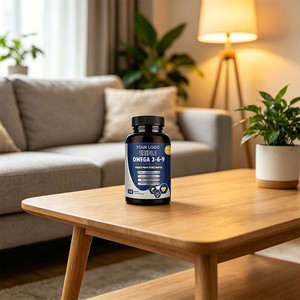
| Target Formulation | Standard Omegas, Vitamin E, Lecithin | Vegan Omega-3-6-9, Algal Oil DHA, Botanicals | Peppermint Oil, High-TOTOX Fish Oils, Probiotics |
cGMP Manufacturing Infrastructure & Quality Control Standards
As a leading custom formulation contract manufacturer in China, operations adhere strictly to international Current Good Manufacturing Practice (cGMP) guidelines enforced by the US FDA, EU EFSA, and China NMPA. Manufacturing facilities maintain Class 100,000 (ISO Class 8) cleanrooms equipped with positive pressure HVAC systems, temperature-controlled encapsulation rooms (maintained at 18–22°C and 30–40% relative humidity), and continuous automated environmental monitoring.
1. Automated Batching & Nitrogen-Blanketed Mixing
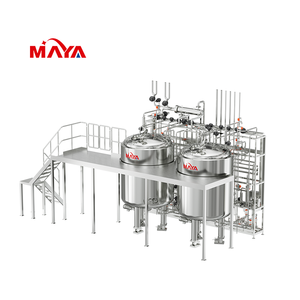
Lipid raw materials—especially high-concentrate marine Omega-3 oils—are extraordinarily sensitive to atmospheric oxygen. The manufacturing process utilizes hermetically sealed stainless steel mixing tanks integrated with continuous nitrogen purge lines. By maintaining a dissolved oxygen content below 0.5 ppm during mixing and homogenization, oil degradation is halted, preserving low Peroxide Values (PV < 5 meq/kg) and Anisidine Values (AV < 20) to guarantee a low Total Oxidation (TOTOX) score.
2. Rotary Die Encapsulation & Continuous Tumble Drying
Encapsulation is driven by high-speed wedge-injection machinery. The liquid fill and molten gelatin ribbon meet simultaneously between counter-rotating die rolls. Micro-metering pumps inject exact fill volumes into the expanding shell pockets, which are instantaneously heat-sealed. The softgels immediately transition into multi-stage rotary tumble dryers for preliminary moisture removal, followed by climate-controlled drying tunnels equipped with dehumidified laminar airflow until equilibrium moisture content (6–8% shell water content) is reached.
Future Softgel Procurement Trends (2025–2030)
Navigating the global nutraceutical market requires B2B brand owners, pharmaceutical distributors, and private label retailers to adapt to evolving consumer preferences and regulatory benchmarks. Key supply chain trends defining softgel manufacturing over the next decade include:
1. Shift Towards High-Concentrate & Algal-Derived Omega-3s
With ocean sustainability concerns rising, buyers are increasingly pivoting from 18/12 crude fish oils toward Algal-based DHA/EPA oils and high-potency ethyl ester (EE) or re-esterified triglyceride (rTG) marine concentrates reaching 80% to 90% purity. Manufacturing such high-concentration oils demands advanced inert processing to avoid rancidity.
2. Targeted Odor-Masking & Enteric Technology Integration
Eructation ("fishy burps") remains the single greatest barrier to consumer retention in oil-based supplements. Next-generation softgel procurement favors intrinsic enteric shells—where acid-resistant polymers are incorporated directly into the gelatin ribbon—eliminating the need for post-encapsulation aqueous spray coating while providing guaranteed lower-GI release.
3. Clean-Label Fill Media & Suspension Engineering
Modern consumers demand the removal of synthetic excipients, hydrogenated soybean oils, and artificial colorants (such as Titanium Dioxide). Contract manufacturers now utilize cold-pressed organic carrier oils (e.g., organic flaxseed oil, sunflower lecithin, MCT oil) and natural colorants (chlorophyllin, annatto, carmine, roasted barley extract) to achieve visual appeal without compromising clean-label positioning.
Frequently Asked Questions (FAQ) for Bulk Softgel Sourcing
Critical procurement insights for supply chain managers, brand directors, and OEM partners.
Partner with China's Premier Bulk Softgel Manufacturer
From custom formulation development and pilot batching to commercial-scale production and international regulatory support—our team is ready to scale your supplement brand.