Featured Plant Protein Ingredients & OEM Formulations
Standardized high-purity protein isolates, textured vegetable proteins (TVP), and specialized vegan solids manufactured in our cGMP-compliant production facility.
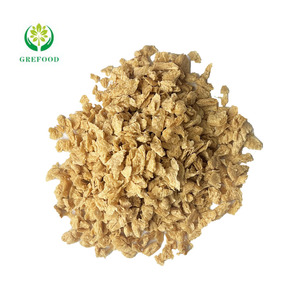
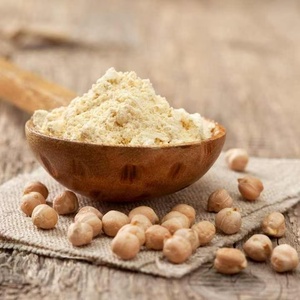
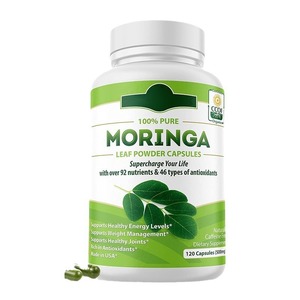
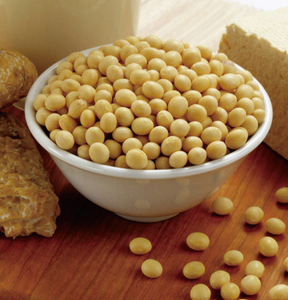
China's Premier Plant Protein OEM/ODM Factory Infrastructure
Operating a 70,000 sq. ft. NSF GMP-certified and FDA-registered processing complex equipped with 17 isolated cleanrooms for botanical extraction, membrane purification, and precision blending.
Advanced Membrane Filtration
Our plant utilizes low-temperature ultrafiltration and microfiltration technology to extract intact native proteins from soy, yellow pea, and yeast biomass. This preserves protein tertiary structure, preventing thermal denaturation and maintaining superior Nitrogen Solubility Index (NSI > 88%).
Stringent Quality Management
Every lot undergoes heavy metal screening (Pb, Cd, As, Hg via ICP-MS), pesticide residue testing, and microbiological validation in our internal testing laboratory. Fully compliant with US FDA, EU EFSA, Kosher, Halal, and USDA Organic standards for seamless international customs clearance.
Customized Particle & Flavor Engineering
Equipped with fluid-bed agglomeration and spray-drying towers, we customize powder particle sizes from 80 mesh up to 300 ultra-fine mesh. Our enzymatic debittering phase eliminates grassy off-notes (hexanal compounds), delivering neutral taste profiles engineered for RTD beverages.
Global Plant Protein Market Evolution & Manufacturing Breakthroughs
The global demand for plant-based proteins is undergoing a structural transition. Moving past first-generation soy flour and raw pea powders, international buyers and food conglomerates now demand highly functional, sensory-neutral, and hypoallergenic protein isolate systems. As China cements its position as the premier manufacturing hub for botanical ingredients, state-of-the-art processing plants are introducing crucial technical innovations that address past industry bottlenecks: taste profile off-notes, poor solubility, gel strength inconsistencies, and anti-nutritional factors.
1. Precision Fermentation & High-Purity Yeast Protein Isolates
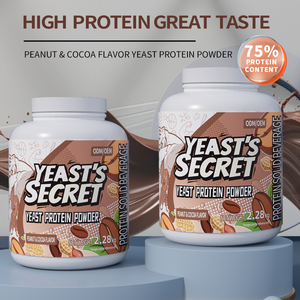
One of the most dramatic technological shifts in the 2025 supply landscape is the industrial scaling of yeast protein (Saccharomyces cerevisiae). Delivering a crude protein purity exceeding 93%, yeast protein represents a complete amino acid profile (PDCAAS = 1.0) comparable to high-grade whey protein isolate. Unlike traditional agricultural crops dependent on rainfall and arable land, yeast fermentation operates in continuous closed-loop bioreactors. This yields an extraordinary sustainability footprint while guaranteeing zero cross-contamination with agricultural allergens like gluten, dairy, or peanuts.
2. High-Moisture Extrusion Cooking (HMEC) for TVP Meat Analogues
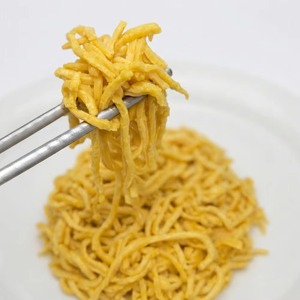
In the meat alternative sector, traditional dry extrusion producing porous Texturized Vegetable Protein (TVP) is increasingly upgraded to High-Moisture Extrusion Cooking (HMEC). Operating at moisture levels between 50% and 70%, HMEC aligns soy, pea, and wheat gluten proteins into continuous fibrous strands that perfectly replicate muscle tissue in plant-based poultry, beef, and seafood formulations. Leading Chinese factories have perfected twin-screw HMEC cooling dies, allowing foreign brand owners to procure ready-to-use frozen or ambient texturized matrixes with tailored tensile strength and moisture-retention capacities.
3. Low-Sodium Ion-Exchange Extraction for Allergen-Free Pea Protein
While pea protein isolate (80% concentration) has emerged as the premier non-allergenic soy substitute, standard alkali extraction often leaves high residual sodium levels (1,200mg – 1,800mg per 100g). For clinical nutrition and low-sodium sport supplements, Chinese manufacturers have implemented membrane filtration combined with low-salt enzymatic precipitation. This process lowers sodium content to under 300mg/100g while successfully deactivating trypsin inhibitors and phytate anti-nutrients, substantially enhancing gastrointestinal digestibility.
B2B Technical Comparison: Plant Protein Ingredient Matrix
Select the optimal protein base according to application parameters, solubility demands, and allergen compliance requirements:
| Protein Ingredient Type | Purity (Dry Basis) | PDCAAS Score | NSI / Solubility | Key Sensory Profile | Target B2B Application |
|---|---|---|---|---|---|
| Soy Protein Isolate (SPI 90) | ≥ 90% | 1.00 | 85% - 92% | Neutral, Low Beany | RTD Beverages, Meat Emulsions, Meal Replacements |
| Pea Protein Isolate (Low Sodium) | ≥ 80% | 0.89 (High BCAA) | 75% - 85% | Mild Earthy, Debittered | Allergen-Free Powders, Vegan Bakery, Sports Nutrition |
| Yeast Protein Isolate | ≥ 93% | 1.00 | > 95% (Instant) | Clean Umami / Neutral | Clinical Nutrition, High-Density Weight Gainers |
| Textured Soy Protein (TVP/HMEC) | 65% - 70% | 0.92 | N/A (Fibrous Matrix) | Bite / Meat-like Texture | Plant-based Burgers, Sausages, Ready Meals |
| Botanical Leaf Protein (Moringa) | 45% - 55% | 0.78 | Moderate Dispersible | Herbal, Green Tea-like | Nutraceutical Capsules, Superfood Mixes, Functional Teas |
Global Procurement Trends: 2025–2030 B2B Outlook
Navigating raw material price volatility, ESG compliance, and localized formulation requirements in the global supply network.
1. Scope 3 Carbon Footprint Transparency
Global brand owners selling into European and North American retail channels are now mandated to audit Life Cycle Assessments (LCA) across their upstream supply chains. Leading Chinese manufacturers are investing in biomass boilers, solar-powered drying systems, and sustainable soybean/pea crop sourcing initiatives. Procuring from verified sustainable plants reduces product Scope 3 carbon intensity by up to 35% compared to fossil-fuel-reliant operations.
2. Shift Toward Turnkey OEM Solution Bundling
Buying isolated raw powders requires internal blending facilities, flavor formulation teams, and strict QC testing. Overseas brand owners are increasingly outsourcing the entire supply chain—requesting Chinese factories to perform turn-key ODM production. This includes active ingredient blending, micro-encapsulation, flavor masking, sachet/container packaging, and consumer-ready labeling directly at the point of manufacture.
3. Multi-Source Hybrid Protein Formulations
Single-source protein powders often present limiting amino acids (e.g., pea protein is low in methionine; rice protein is low in lysine). Sourcing trends demonstrate a massive shift toward pre-blended hybrid protein matrixes (Pea + Rice + Pumpkin Seed + Yeast). These engineered blends achieve a complete 1.0 PDCAAS score while optimizing mouthfeel and reducing reliance on any single crop market commodity.
4. Custom Particle Agglomeration & Instantization
Consumer dissatisfaction with clumping plant protein drinks has pushed procurement teams to mandate instantized, lecithin-coated or spray-agglomerated powders. Custom particle sizing ensures rapid dispersion in cold water within 15 seconds of agitation without requiring high-shear electric blenders—a crucial differentiator for premium retail brands.
B2B Sourcing & Manufacturing FAQ
Direct answers to technical, logistical, and quality control questions commonly asked by enterprise procurement teams.
Request Bulk Pricing & Custom Formulation Quotations
Partner with China’s premier cGMP plant protein processing facility. Connect directly with our technical sales engineers to review your ingredient specifications, request pilot sample kits, or calculate volume container pricing.