OEM/ODM Custom Mineral & Nutraceutical Formulations
Explore China's premier export-grade supplement formulations engineered under strict cGMP protocols, validated by ICP-MS testing, and supported by automated compounding systems.
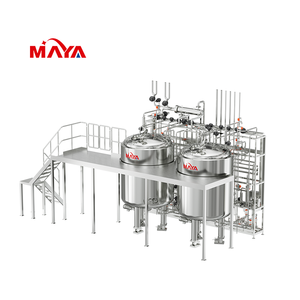
Marya Customized Fully Automated Formulation System
- High-precision dosing precision (±0.1%)
- ISO Class 5 / Class 100,000 cleanroom integrated
- Full CIP/SIP automated washing technology
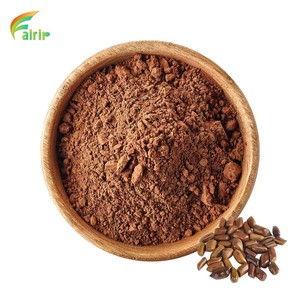
OEM ODM Custom Cassia Seed Extract 10:1 Botanical Powder
- Food-grade standardized extract powder
- High water solubility & bioavailability
- Heavy metal & pesticide residue free
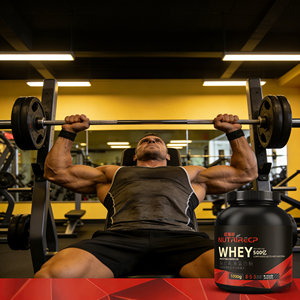
Custom Formulation Creatine Monohydrate Powder Bulk Supply
- 200 Mesh ultra-micronized powder blend
- 99.9% HPLC purity certified
- Instantized for rapid absorption & mixing
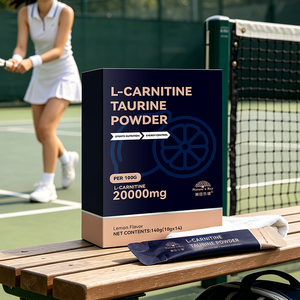
Private Label L-Carnitine Taurine Energy Powder Formula
- Synergistic metabolic mitochondrial blend
- Zero sugar with natural grapefruit flavor
- Polydextrose fiber matrix enhanced
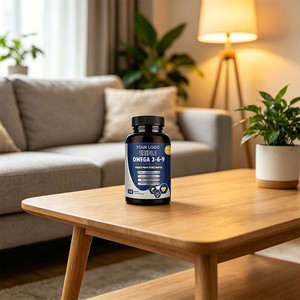
Cardiovascular Health Support Triple Omega 369 Softgels
- High-potency EPA & DHA fatty acids
- Enteric-coated to prevent reflux
- Molecularly distilled pure marine oil
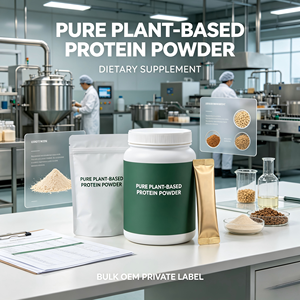
Private Label Plant-Based Dietary Protein Powder Bulk
- Complete amino acid profile (Pea & Rice)
- Non-GMO Project verified ingredients
- Smooth, non-gritty taste engineering
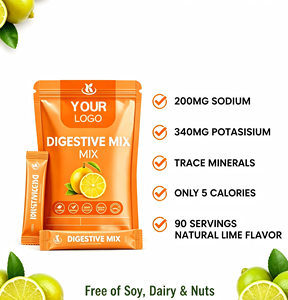
Custom Formulation Electrolyte Hydration Powder GMP
- Balanced Sodium, Potassium, Magnesium matrix
- Low-carb & keto-friendly formulation
- Rapid cellular hydration technology
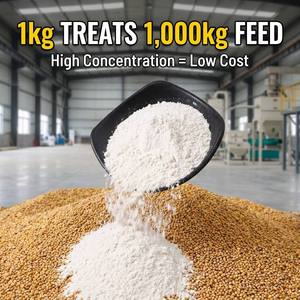
Mineral Premix for Multi-Species Animal Trace Nutrition
- Bio-available organic trace minerals
- Homogeneous macro & micro particle blend
- Supports optimal growth, immunity & vitality
The Evolution of Mineral Supplement Sourcing from China
A comprehensive examination of chemical synthesis, organic chelation, analytical validation, and regulatory harmonisation for global buyers.
The global dietary supplement landscape is undergoing a structural paradigm shift. As consumer demand transitions from elementary multi-vitamin blends toward targeted, high-bioavailability mineral complexes—such as Magnesium Glycinate, Zinc Bisglycinate, and Micro-encapsulated Iron—international brands face unprecedented procurement complexity. China has solidified its position as the world's primary manufacturing hub not merely through raw material scale, but through advanced chemical synthesis, state-of-the-art fully automated formulation machinery, and rigorous adherence to international cGMP (Current Good Manufacturing Practice) protocols.
Historically, mineral procurement was dominated by inorganic salts such as oxides, sulfates, and carbonates. While inexpensive, these compounds present limited systemic absorption and frequently cause gastrointestinal distress. Modern OEM/ODM manufacturers across China have transformed the sector by developing proprietary synthesis pathways for organic amino acid chelates, liposomal delivery matrices, and sustained-release mineral polymers. This white paper serves as an definitive technical and procurement guide for brand owners, importers, and contract distributors seeking to leverage China’s manufacturing strengths while maintaining uncompromised quality assurance.
Advanced Chelation Technology
Utilizing targeted amino acid binding (such as glycine and methionine) to form stable molecular rings, protecting minerals from gastrointestinal stomach acid degradation and drastically elevating gut mucosal transport rates.
ICP-MS Heavy Metal Controls
Deploying Inductively Coupled Plasma Mass Spectrometry to detect trace element contaminants down to parts-per-trillion (ppt), fully complying with US FDA 21 CFR Part 111, USP <2232>, and EU Regulation 2023/915 thresholds.
Full Automated Batch Systems
Integrating Marya-grade fully automated compounding suites that eliminate human error, control relative humidity below 30% for hygroscopic powders, and ensure exact inter-batch uniformity across multi-ton runs.
Enterprise Infrastructure & Quality Control Standards
Combining world-class engineering with certified quality management systems to deliver turnkey supplement solutions.
Selecting a manufacturing partner in China requires a granular audit of physical infrastructure, environmental controls, and analytical verification capabilities. Top-tier facilities operate over 70,000 square feet of cleanroom space, featuring up to 17 segregated blending and encapsulation suites. Isolation of production zones is vital when dealing with volatile botanical extracts, fine mineral dust, and allergen-sensitive compounds.
1. Environmental & HVAC Cleanroom Control
Mineral powders—particularly citrates, malates, and electrolyte premixes—are intrinsically hygroscopic. Exposure to ambient moisture leads to clumping, degradation, and inaccurate fill weights during capsule or stick-pack filling. Tier-1 Chinese exporters utilize HVAC systems maintaining positive pressure, HEPA filtration (0.3 micron filtration at 99.97% efficiency), and strict dew-point control (<35% RH) to preserve active compound integrity.
2. Analytical Validation & Batch Traceability
Quality assurance is embedded at every operational milestone. Every raw material intake undergoes Fourier-Transform Infrared Spectroscopy (FTIR) for identity verification, High-Performance Liquid Chromatography (HPLC) for active potency validation, and microbial plating for aerobic plate count, yeast, mold, and pathogens (Salmonella, E. coli, S. aureus).
| Mineral Chemical Form | Elemental Content (%) | Bioavailability Profile | Gastrointestinal Tolerability | Ideal Application Formats |
|---|---|---|---|---|
| Magnesium Oxide | ~60% | Low (<4%) | Poor (High Laxative Effect) | Low-cost compressed tablets |
| Magnesium Citrate | ~16% | Moderate (25-30%) | Fair (Slight Osmotic Effect) | Effervescent powders, liquids |
| Magnesium Bisglycinate | ~14% | Superior (>80%) | Excellent (Gentle, No Discomfort) | High-end capsules, premixes |
| Zinc Oxide | ~80% | Low (Insoluble) | Poor (Nausea potential) | Topical formulations, basic tabs |
| Zinc Picolinate / Glycinate | ~20-30% | High (>65%) | Optimal (High Cellular Transport) | Immunity chewables, capsules |
Future Procurement & Innovation Trends in Mineral Supplements
Key technological breakthroughs and commercial shifts reshaping global supplement supply chains over the next decade.
1. Liposomal & Nano-Encapsulated Minerals
Micro-encapsulation with phospholipid bilayers shields mineral ions (such as Iron and Magnesium) from reacting with stomach acids or digestive enzymes. This completely neutralizes metallic taste profiles and boosts bioavailability up to 5x over standard salts, making it ideal for ready-to-drink (RTD) beverages and direct-to-mouth stick packs.
2. Synergistic Multi-Mineral Hydration Matrices
Monolithic single-element supplements are rapidly losing market share to optimized electrolyte matrices. Modern buyers demand custom ratios of Sodium, Potassium, Magnesium, Calcium, and Trace Sea Minerals combined with metabolic catalysts like L-Carnitine and Taurine for cellular fluid balance and athletic endurance.
3. Specialized Multi-Species Animal Nutrition
Beyond human wellness, export demand for precision organic trace mineral premixes in veterinary and aquaculture sectors is accelerating. Chelated Copper, Selenium Yeast, and Zinc Methionine enhance immune resilience, coat vitality, and feed conversion ratios (FCR) in animal husbandry worldwide.
4. Clean Label & Eco-Conscious Packaging
Global retailers now demand full supply chain traceability and sustainable manufacturing. Leading manufacturers in China offer non-GMO, allergen-free, vegan-certified excipient systems (replacing magnesium stearate with organic rice hull concentrate) alongside 100% recyclable packaging solutions.
Navigating International Import Compliance & Documentation
Essential regulatory documents required for seamless clearance across North America, Europe, Australia, and the Middle East.
Importing dietary supplements from China requires seamless regulatory integration between the contract manufacturer and the destination country's food safety authority. Leading exporters provide turnkey document bundles tailored to Amazon Seller Central requirements, FDA Foreign Supplier Verification Programs (FSVP), and European Food Safety Authority (EFSA) standard panels.
Full Certificate of Analysis (COA)
Every production batch is accompanied by an itemized COA containing assay test results for active minerals, moisture levels, microbial thresholds, and ICP-MS heavy metal verification (Pb, Cd, As, Hg).
cGMP & ISO Certifications
Official third-party facility audits including NSF International cGMP registration, ISO 22000, HACCP, and US FDA Facility Registration credentials validating operational compliance.
Religious & Dietary Audits
Full support for Halal (JAKIM / IFANCA) and Kosher certification compliance, alongside allergen-free and Non-GMO verification statements for clean-label consumer transparency.
Frequently Asked Questions by Global B2B Buyers
Direct answers to common operational, regulatory, and logistics queries regarding OEM supplement manufacturing in China.
What are the minimum order quantities (MOQs) for custom mineral formulations?
MOQs depend on the finished dosage format and formulation complexity. For ready-to-brand stock private label formulas, MOQs start at 5,000 units per SKU. Fully customized mineral formulations (capsules, powders, or gummies requiring dedicated blending runs) typically start at 10,000 units or 500 kg of finished bulk powder. Tiered pricing structures are available for high-volume orders at 50,000, 100,000, and 500,000+ units.
How do Chinese manufacturers guarantee heavy metal safety in mineral raw materials?
Reputable manufacturers enforce a strict raw-material quarantine procedure. Each incoming mineral lot (such as Magnesium, Zinc, Iron, or Calcium) is sampled according to ANSI/ASQ Z1.4 standards and analyzed using High-Resolution Inductively Coupled Plasma Mass Spectrometry (ICP-MS). Raw materials that exceed stringent limits for Lead (<0.5 ppm), Cadmium (<0.5 ppm), Arsenic (<1.5 ppm), or Mercury (<0.1 ppm) are automatically rejected and returned to the primary refinery.
What is the typical production timeline from formulation approval to shipment?
The baseline lead-time for standard turnkey production is approximately 6 to 8 weeks after final approval of R&D pilot samples and packaging artwork. R&D pilot sample development typically takes 5 to 7 working days. For re-orders with established formulas and pre-approved packaging components, production lead times can be compressed to 3 to 4 weeks.
Can your facility produce organic-certified mineral and botanical blends?
Yes. Facilities maintaining USDA Organic and EU Organic supply chain certifications can formulate plant-derived bio-minerals (such as organic algae-derived Calcium/Magnesium or organic guava leaf Zinc) blended with organic botanical extracts (such as Cassia Seed or Green Tea Extract) using 100% organic excipients.
How are hygroscopic mineral powders managed during capsule filling and packaging?
Hygroscopic compounds (e.g., Magnesium Citrate, Choline Bitartrate, Electrolyte mixes) are processed in specialized low-humidity cleanroom suites equipped with desiccant dehumidification systems operating at below 30% relative humidity. Additionally, bottle packaging includes pharmaceutical-grade silica gel or molecular sieve desiccants alongside induction-sealed tamper-evident liners to prevent moisture ingress during global ocean transit.
What documentation is provided to clear customs and comply with Amazon Seller Central?
We provide a turnkey compliance dossier including: (1) Certificate of Analysis from an ISO 17025 accredited laboratory, (2) Facility cGMP Certificate, (3) FDA Facility Registration Number, (4) Ingredient Breakdown & Master Manufacturing Record (MMR) summary, (5) Allergen & Non-GMO Statements, and (6) Certificate of Free Sale (CFS) where applicable.
Do you support custom dosage formats like stick packs, gummies, and chewable tablets?
Yes. Contract manufacturing lines accommodate vegetarian HPMC/gelatin capsules (sizes 000 to 4), direct-compression tablets, enteric-coated softgels, pectin-based low-sugar gummies, liquid droppers, and single-serve aluminum-laminated foil stick packs designed for rapid powder dispersion.
Partner with China's Leading Mineral Supplement Manufacturer
Whether you are launching a novel chelated mineral complex, scaling a high-volume electrolyte brand, or seeking cost-optimized bulk supply, our engineering and regulatory teams are standing by to execute your project.