High-Performance Industrial Products & Processing Systems
Explore our Machinery Directives-compliant high-speed tablet presses, automated formulation lines, and contract solid-dose manufacturing capabilities engineered to meet strict EU CE Mark, cGMP, and FDA standard directives.
CE Certified Tablet Pressing Machinery: Engineering Excellence, Regulatory Compliance, and Advanced Solid-Dose Manufacturing
In the modern global pharmaceutical, nutraceutical, and chemical processing industries, the mechanical press is the undisputed cornerstone of solid-dose production. Achieving precise dose weight uniformity, structural integrity (controlled friability and hardness), and ultra-high throughput demands an intricate synthesis of mechanical engineering, metallurgical science, and automated control systems. For global buyers and facility managers, specifying CE Certified Tablet Pressing Equipment is not merely a legal requirement within the European Economic Area (EEA)—it serves as an international benchmark for operational safety, electromagnetic compatibility, structural integrity, and ergonomic machine design.
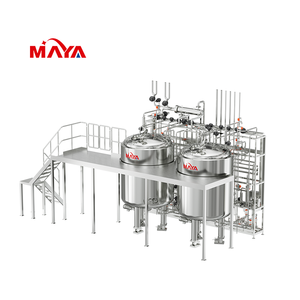
As a leading pioneer in high-speed rotary tablet compression machinery and turnkey contract manufacturing solutions, our state-of-the-art facility spans over 70,000 square feet in Fort Myers, Florida, complemented by advanced international engineering partnerships (including specialized cleanroom systems like Marya). Featuring 17 independent production suites operating under strict NSF GMP, cGMP, and FDA registration guidelines, we bridge the gap between heavy machinery engineering and precision chemical/pharmaceutical formulation.
Anatomy of High-Speed Rotary Tablet Press Engineering
Understanding the mechanical subsystems of CE-certified rotary presses enables procurement teams to select equipment capable of handling complex formulation decks, sticky botanical extracts, and high-load active compounds.
1. Turret & Dwell Time Mechanics
The turret is the heart of the press. Forged from high-grade stainless steel (or electroless nickel-plated alloy), it houses upper and lower punches with EU/TSM tool standards (B, D, BB, DB). Dwell time—the duration the punch flat remains under maximum pressure under the compression roll—is optimized through flat-headed punch geometry to eliminate air entrapment and prevent tablet capping.
2. Pre & Main Compression Hydraulics
Modern high-speed pressing relies on a dual-stage compression cycle. Pre-compression rollers (typically applying 10–20 kN of force) gradually consolidate powder particles and expel inter-granular air before main compression (up to 80–100 kN). This twin-stage mechanical ramp reduces friability and guarantees smooth tablet surface finish even at speeds exceeding 300,000 tablets per hour.
3. Automated Weight & Force Control
Integrated strain gauges measure individual punch compression forces in real-time. Connected to advanced Beckhoff or Siemens PLC HMIs, the automated feedback control system automatically adjusts lower main compression dosing cams. Out-of-tolerance tablets are instantly diverted to an isolated reject channel via high-speed pneumatic air jets.
Rotary Tablet Press Tooling & Machinery Comparison Matrix
Comprehensive overview of global punch tooling standards (EU vs. TSM) and rotary press operational parameters necessary for machinery procurement and formulation scale-up.
| Tooling / Press Specification | EU 'B' Standard | EU 'D' Standard | Multi-Tip Tooling (EU B/D) | CE Industrial Rotary Press |
|---|---|---|---|---|
| Punch Barrel Diameter | 19.00 mm (0.748 in) | 25.40 mm (1.000 in) | 19.00 mm / 25.40 mm | Integrated Turret Assembly |
| Die Outer Diameter | 30.16 mm (1.187 in) | 38.10 mm (1.500 in) | Standard EU / Customized | Hardened Tool Steel / Carbide Insert |
| Max Tablet Diameter | 16.00 mm | 25.00 mm | 2.0 mm to 6.0 mm (Micro-tabs) | Up to 25 mm (Custom up to 50 mm) |
| Max Compression Force | 65 kN | 100 kN | 65 kN – 100 kN | 100 kN Main / 20 kN Pre-Compression |
| Primary Target Application | Small-to-medium pharmaceutical tabs | Large nutritional & effervescent tabs | High-output mini-tablets / probiotics | Mass production pharmaceutical/nutraceutical |
| CE Safety Compliance | ISO 14119 Guard Interlocks | ISO 14119 Guard Interlocks | ISO 14119 Guard Interlocks | 2006/42/EC, 2014/30/EU, 2014/35/EU |
Future Procurement & Technological Trends in Solid-Dose Machinery
As the dietary supplement and pharmaceutical sectors transition toward personalized medicine, continuous manufacturing, and sustainable engineering, equipment buyers must align with upcoming industry shifts.
1. Continuous Manufacturing & PAT Integration
Traditional batch tableting is rapidly making way for continuous manufacturing suites. Process Analytical Technology (PAT)—such as Near-Infrared (NIR) spectroscopes and Raman sensors mounted inside the feeder frame—measures chemical homogeneity and moisture content in real-time. Rotary presses equipped with PAT allow immediate parameter adjustments without halting the line, eliminating batch losses.
2. Advanced Anti-Sticking Coatings & Metallurgy
Compression of hygroscopic or acidic compounds (such as Vitamin C, glucosamine, or herbal extracts) causes severe punch face picking and sticking. Next-generation punches utilize Chromium Nitride (CrN), Diamond-Like Carbon (DLC), and Titanium Nitride (TiN) physical vapor deposition (PVD) coatings. These metallurgical coatings extend punch life by up to 300% and reduce the need for magnesium stearate lubricants.
3. High-Containment (OEB 4 / OEB 5) & WIP Systems
With the rise of highly potent active pharmaceutical ingredients (HPAPIs) and specialized botanical extracts, airborne dust poses severe occupational risks. Modern CE-certified presses feature negative-pressure containment enclosures with split-butterfly valves and integrated Wash-in-Place (WIP) spray balls, allowing complete automated cleaning without opening the machine cabinet.
4. Multi-Layer & Co-Compression Technologies
Demand for bi-layer, tri-layer, and tablet-in-tablet (co-axial) dosage formats is surging. These complex formats keep incompatible active ingredients physically separated until ingestion or provide dual-release profiles (e.g., immediate release + sustained release). Advanced presses feature multi-feeder turrets with zero cross-layer contamination guarantees.
Why Leading Global Brands Partner With Our Facility
From initial laboratory R&D pilot batches to high-volume commercial production runs, we combine heavy machine engineering standards with turnkey pharmaceutical expertise.
70,000 Sq. Ft. Dedicated Facility
Located in Fort Myers, Florida, our state-of-the-art infrastructure houses 17 environmentally controlled production cleanrooms, preventing cross-contamination for botanical, probiotic, and allergen products.
NSF GMP & CE Certified
Fully certified under NSF GMP, cGMP, and FDA registered frameworks. All production equipment conforms to European CE Safety Directives with complete DQ/IQ/OQ/PQ validation dossiers.
In-House R&D & Analytical Testing
Our formulation lab performs powder compressibility profiling, sieve analysis, bulk/tapped density checks, HPLC assay testing, microbial limit testing, and USP dissolution verification.
Frequently Asked Questions (FAQs) for Tablet Machinery & Contract Supply
Detailed technical answers to common questions asked by pharmaceutical engineering leads, quality assurance directors, and procurement executives.
Ready to Upgrade Your Solid-Dose Production Capabilities?
Connect directly with our engineering team and contract manufacturing specialists. Request complete technical machine datasheets, validation dossier templates, or custom formulation quotes today.
Get Catalog