0%

Selecting a reliable liquid supplement manufacturer takes more than comparing quoted prices. For global buyers, the right partner must turn a formula brief into a stable, repeatable product. That work depends on more than filling bottles. It includes ingredient sourcing, blending, flavor development, preservation strategy, filling accuracy, and packaging compatibility. Details matter. A citrus blend that tastes bright in a bench sample may become sharp after several months in a bottle. Thick formulas can also slow filling or leave residue around caps. These practical issues can affect launch schedules and customer experience, especially when formulas contain sensitive botanicals, minerals, or multiple flavor components.

This guide to China Top Liquid Supplement Manufacturers for Global Buyers examines supplier capabilities through a buyer-focused lens. It considers experience with dosage forms, quality systems, testing documentation, production scale, communication, and export readiness. Liquid Supplement Manufacturing is not identical across factories; equipment, technical support, and product scope can differ substantially. Buyers should verify current certifications, audit records, product-specific testing, and destination-market requirements directly with each supplier. Ask for representative samples, clear specifications, and realistic lead times. No directory can replace due diligence. Some supplier profiles may leave questions unanswered, and that is worth noticing rather than smoothing over. The goal is a more informed shortlist, not a promise that one manufacturer fits every brand. Good decisions start with evidence, candid conversations, and a willingness to revisit assumptions.
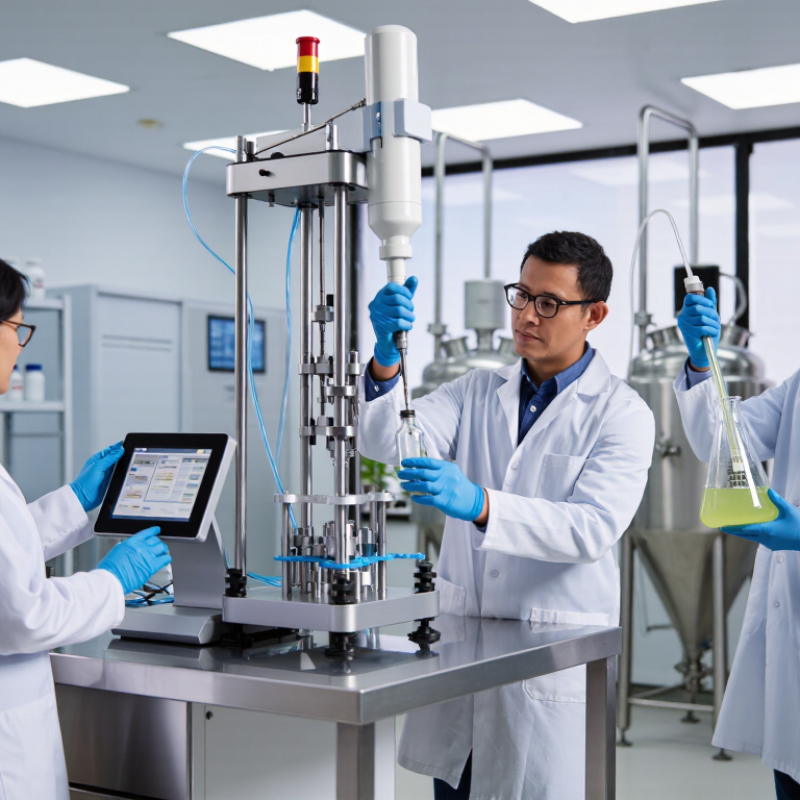
China Top Liquid Supplement Manufacturers for Global Buyers

Overview of China’s Liquid Supplement Manufacturing Industry

China’s liquid supplement manufacturing industry serves a broad nutrition market, but public data rarely isolate liquid products. Grand View Research valued the global dietary supplements market at USD 192.7 billion in 2024 and projected 9.1% annual growth from 2025 to 2030. This is market context, not a China-specific factory estimate. The distinction matters. Chinese contract manufacturers commonly provide formulation, blending, filling, and packaging services, with options such as measured-dose bottles and single-serve sachets.

Liquids need careful control of viscosity, microbial quality, and ingredient stability. A powder that disperses well in a lab may settle after weeks in a bottle. Small details matter. Buyers can review batch records, testing methods, ingredient traceability, and stability data under intended storage conditions. Packaging also deserves scrutiny: light exposure, oxygen, and a poorly matched closure may affect product quality during transport.

No process is flawless; sediment can still appear when ingredients interact or storage conditions vary. It is worth asking manufacturers how they investigate out-of-specification batches, rather than relying on a certificate alone. Since published market reports group liquids with other supplement formats, comparisons of factory capacity should be checked against product-specific evidence, including pilot runs and real-time stability results.

Common Product Types and Formulation Capabilities

Liquid supplements commonly include syrups, oral drops, concentrated shots, emulsions, and suspensions. Each format solves a different problem. Drops allow small servings, while thicker syrups can carry minerals or botanical extracts. Suspensions may settle, so clear dosing instructions and a suitable measuring cup matter. Liquid is not automatically easier.

Formulation capability means balancing taste, texture, active ingredient stability, and packaging compatibility. A manufacturer may need to manage bitterness with flavor systems, limit oxidation through appropriate processing and packaging, or keep particles evenly dispersed. The Council for Responsible Nutrition’s 2023 Consumer Survey reported that 74% of U.S. adults use dietary supplements, with 55% using them regularly. Grand View Research estimated the global dietary supplements market at USD 177.5 billion in 2023. These figures indicate broad demand, but they do not guarantee that every liquid format will suit every market or user.

Tip: Ask for stability data, microbial test results, and packaging compatibility records for the intended formula. Check whether samples remain uniform after shipping. A little sediment can be a warning—or simply a formulation detail that needs clear directions.

Manufacturing Standards, Certifications, and Quality Controls

China Top Liquid Supplement Manufacturers for Global Buyers
Manufacturing Standards, Certifications, and Quality Controls

For global buyers, a certificate is a starting point, not proof of consistent production. Ask manufacturers for the certificate’s scope, issuing body, site coverage, and latest audit findings. For products intended for the United States, 21 CFR Part 111 sets current good manufacturing practice requirements for dietary supplements, including production records and quality controls. Check that procedures cover liquid-specific risks, such as water quality, tank cleaning, filling-line sanitation, and microbial testing.

The World Health Organization’s 2015 foodborne disease estimates report about 600 million illnesses and 420,000 deaths worldwide each year from contaminated food. This broad food-safety finding is relevant to supplement manufacturing, too: clean water, controlled handling, and traceable batches matter. Review test results for ingredient identity, strength, contaminants, and microbial limits. Ask how the manufacturer supports shelf-life claims, including stability testing in the final bottle. A polished audit file can still hide a weak handoff between production and testing; verify records, not just certificates.

Tips: Request a sample batch record and a recent certificate of analysis. Check dates, batch numbers, test methods, and acceptance limits. Ask what happens when a result fails. Small gaps matter. A supplier’s answers should be specific, documented, and consistent across batches.

Liquid Supplement Manufacturing: U.S. CGMP Verification Triggers

A regulatory baseline for global buyers evaluating manufacturers supplying the U.S. market.

How to read this chart: A value of 1 means the regulation requires verification for each applicable lot or batch—not that only one test is needed. Component identity testing has specific regulatory exceptions, and the appropriate tests depend on the product specifications.

Source: U.S. FDA dietary supplement CGMP, 21 CFR 111.75(a) and 111.75(c). These are U.S. requirements; other markets may have different rules. FDA does not endorse or certify manufacturers through this regulation.

How Global Buyers Evaluate Chinese Supplement Manufacturers

Global buyers should evaluate a Chinese supplement manufacturer beyond its product catalogue and quoted price. Start with the facility: ask how incoming ingredients are identified, stored, and matched to supplier records. During a site visit or live video tour, look for clear batch labels, controlled production areas, and documented cleaning procedures. Small details matter.

Review quality records before discussing large orders. Request sample batch documents, ingredient specifications, test methods, and recent third-party laboratory reports. Check that the tested sample corresponds to the material or finished product being offered. Ask how the factory handles failed results, customer complaints, and changes to a formula. A polished presentation is not proof of consistent production. I still find document gaps easy to overlook when a sample tastes good.

Manufacturing fit matters too. Confirm minimum order quantities, production timelines, packaging options, and how delays are communicated. Ask whether the team can explain stability testing and storage recommendations for the intended product format. Clear answers are useful; vague promises deserve follow-up. Compare a pilot batch with approved specifications before scaling up, and keep written records of agreed changes. Even a capable supplier may not fit every project, and a rushed evaluation can make that mismatch costly.

Leading Chinese Manufacturers and Their Distinctive Strengths

China’s liquid-supplement manufacturers differ in formulation depth, production scale, and export experience. Grand View Research valued the global dietary supplements market at US$177.5 billion in 2023 and projected 9.1% annual growth through 2030. Demand is growing, but buyers need more than a large filling line. The Council for Responsible Nutrition’s 2023 Consumer Survey found that 74% of US adults use supplements, highlighting the importance of consistent quality across repeat orders. Small details matter: a stable emulsion, accurate fill volume, and a cap that seals cleanly after transport.

Some Chinese manufacturers offer integrated sourcing, in-house blending, and flexible bottle sizes, which can help buyers coordinate production. Others stand out through testing capacity, including checks for microbial quality, viscosity, and batch consistency. These strengths vary by facility, so verify them with recent records, not a polished brochure. Ask for stability data, ingredient traceability, and sample results from the actual production line. That sounds simple. It rarely is. A sample may pour smoothly at room temperature, yet separate after weeks in transit. Manufacturers with export documentation experience can ease coordination, but documentation alone does not prove product performance. Buyers should review the evidence and arrange independent testing when appropriate.

FAQS

What types of liquid supplements are commonly produced?

Common formats include syrups, oral drops, concentrated shots, emulsions, and suspensions. Each suits different serving needs. Drops allow smaller portions, while thicker syrups can carry minerals or botanical extracts.

Is a liquid supplement always easier to use?

Not always. Suspensions may settle in the bottle, so clear dosing instructions and a measuring cup matter. A liquid format still needs careful handling.

What formulation details should buyers check?

Ask how the formula manages taste, texture, ingredient stability, and packaging compatibility. Bitter flavors may need adjustment. Particles should remain evenly dispersed, and oxidation should be considered.

What quality records should a buyer request?

Request ingredient specifications, sample batch documents, test methods, and recent third-party laboratory reports. Confirm that test results match the actual product offered. Paperwork can look complete, but gaps are easy to miss.

How can buyers assess a manufacturing facility?

Look for clear batch labels, controlled production areas, and documented cleaning procedures. Ask how ingredients are identified, stored, and linked to supplier records. Small details matter.

Why should buyers test samples after shipping?

Temperature and transit time can affect a formula. Check whether samples remain uniform after delivery. Sediment may signal a problem, or simply require clearer directions.

What production details should be confirmed before ordering?

Confirm minimum order quantities, production timelines, bottle options, and how delays are communicated. Ask about storage recommendations and stability testing. Write down agreed changes.

How should a buyer compare a pilot batch with later production?

Compare the pilot batch with approved specifications before scaling up. Check fill volume, texture, and sealing after transport. I may still trust a good-tasting sample too quickly.

Conclusion

China’s liquid supplement industry has developed broad capabilities to serve global buyers, from product development and formulation to filling and packaging. Liquid Supplement Manufacturing can cover a range of formats, including syrups, ready-to-drink products, drops, and concentrated liquids. Manufacturers may support custom flavor, texture, ingredient, and packaging requirements, while helping buyers assess which options suit their target markets and product goals.

When evaluating a supplier, buyers should consider its production capacity, communication, development support, and ability to maintain consistent quality. Relevant certifications, documented quality controls, ingredient traceability, and product testing can help demonstrate a manufacturer’s processes. China’s leading manufacturers vary in their strengths: some focus on flexible customization and smaller production runs, while others offer larger-scale output, integrated services, or specialized formulation expertise. A careful comparison of these capabilities can help global buyers identify a reliable production partner.

Amelia

Amelia

Amelia is a dedicated marketing professional with a strong understanding of the company’s products, customers, and market trends. Through her practical experience and continuous research, she transforms complex product information into clear, valuable insights that help readers make informed......