Choosing a nutricosmetic manufacturer is not just a sourcing decision. It shapes how a product is formulated, tested, documented, and delivered. Nutricosmetic Product Manufacturing brings together ingredient science and practical production controls. A glossy brochure cannot show whether a supplier can trace a botanical extract to its source or keep powder blends consistent across batches.
Dermatologist Dr. Howard Murad is often associated with the statement, “The skin is a reflection of your overall health.” That idea helps explain why buyers should look beyond packaging claims. Ask manufacturers about formulation support, ingredient specifications, stability testing, quality systems, and production records. Request clear answers, not only polished presentations. A sample batch record or a site audit can reveal more than a sales call.
Small details count. A capsule that opens cleanly, a powder that mixes evenly, and a readable certificate of analysis all tell part of the story. Still, paperwork alone does not prove a product will perform as intended. Compare the manufacturer’s capabilities with your formula, target serving size, packaging, and expected production volume. Check how the team handles changes, deviations, and customer feedback. Those conversations may feel less exciting than product design, but they expose gaps early. No checklist removes every risk. Choosing a partner takes judgment, and sometimes the available evidence remains incomplete. The ten tips ahead offer a practical way to ask sharper questions before committing to a manufacturer.
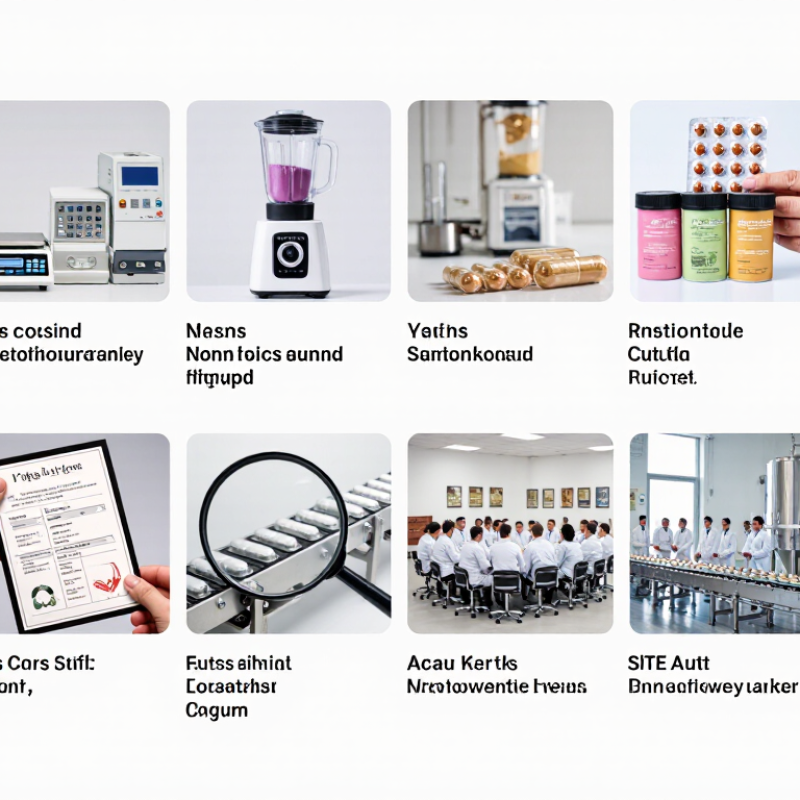
Define the outcome before contacting a manufacturer. Is the product intended to support skin hydration, hair strength, or a broader beauty-from-within routine? Specify the target user, daily serving, preferred format, and acceptable price range. The McKinsey Future of Wellness 2024 survey found that 82% of US consumers consider wellness a top or important priority. That signals interest, not guaranteed demand for your formula. Be precise.
Tip: Write a one-page product brief. List the active ingredients, dose per serving, flavor, packaging, target shelf life, and first-run volume. Ask manufacturers which formats they can produce and what their minimum order quantities are. A gummy may suit the concept, but heat, moisture, and taste can complicate formulation. Small details matter.
Set evidence and quality requirements early. The Council for Responsible Nutrition’s 2023 Consumer Survey reported that 74% of US adults use dietary supplements. Use this as category context, not proof that a specific nutricosmetic will sell. Request ingredient specifications, certificates of analysis, stability data, and details about identity and contaminant testing. Confirm how supplier records and batch traceability are maintained. Requirements may need adjustment after feasibility testing; that is normal, but vague goals make comparisons harder.
A manufacturer’s website may list years in business, quality certifications, and impressive equipment. Treat these as starting points, not proof. Ask for current certificates and check that their scope covers the facility and processes used for your product. Confirm issue dates and whether an independent organization performed the audit. A polished website proves little.
Look for experience with the specific format you plan to make, such as capsules, powders, or drink mixes. Ask how the team manages ingredient specifications, stability testing, and batch records. Request a sample quality document with confidential details removed. Can staff explain how they investigate an out-of-specification result? Clear answers matter. So does consistency.
Speak with two or three current or former clients, if possible. Ask about communication, production delays, and how problems were handled—not just whether the final product looked good. A facility tour can add context: observe material labeling, storage conditions, and how staff separate production stages. One caveat: a tidy tour cannot prove every batch is controlled. Compare what you see with documented procedures, and note unanswered questions. I would not choose a partner on experience claims alone; credentials need a scope, dates, and evidence behind them.
Choosing a nutricosmetic manufacturer starts with the formula, not the sales presentation. Ask how each active ingredient is dosed, sourced, and tested. For a collagen powder, request evidence that the stated amount remains stable through its shelf life. For capsules, check whether ingredients fit the serving size without excessive fillers. Small details matter.
The Council for Responsible Nutrition’s 2023 Consumer Survey reported that 74% of U.S. adults used dietary supplements, while 55% used them regularly. That level of use makes reliable identity, potency, and contaminant testing essential.
Review the manufacturer’s production records and quality controls. Ask for ingredient specifications, certificates of analysis, batch traceability, and stability data under realistic storage conditions. Confirm that the facility can handle your format, from powders to gummies, and can reproduce a pilot batch at commercial scale.
Check how it monitors moisture, temperature, and packaging seals; a poor seal can undermine an otherwise sound formula. Ask about independent laboratory testing, too. A polished document is not the same as evidence.
No specification sheet answers every practical question, so request a sample batch and inspect its taste, texture, and consistency yourself. I would still leave room for judgment: a technically strong formula may be difficult for consumers to use every day.
A nutricosmetic manufacturer should be able to explain how quality is built into each production step, not just display a polished certificate. Ask for written procedures covering supplier approval, ingredient identification, batch records, sanitation, and deviations. A clear answer matters. During a facility review, look for practical details: labeled sample containers, controlled storage temperatures, and records that connect each ingredient lot to finished product batches.
Testing should match the product and its risks. Request evidence of identity, strength, purity, and microbiological testing, along with methods and acceptance limits. For powders, ask how moisture and mix uniformity are monitored; for liquids, check stability and packaging compatibility data. Independent laboratory results can add confidence, but they should be traceable to specific batches. A report without dates or sample identifiers is not very useful.
Regulatory requirements vary by sales market and product classification, so confirm which rules apply before approving labels or claims. Ask who reviews ingredient documentation, safety information, and advertising language, and how updates are tracked. Verify certifications directly with their issuing organizations when possible. Paperwork can look reassuring, yet gaps still happen. I would also ask what went wrong in a recent audit and how the manufacturer corrected it; a candid, documented response may reveal more than a flawless presentation.
When comparing nutricosmetic manufacturers, look beyond a friendly sales call. Ask how quickly the team answers technical questions and who handles them after a contract is signed. A clear contact path matters when a sample label needs correction or an ingredient specification is missing. Request written answers, realistic timelines, and examples of quality documents, such as batch records and stability data. Promises are easy. Follow-through takes evidence.
Compare costs line by line, not just by unit price. Include minimum order quantities, testing, packaging, sample revisions, and fees for changes to the formula. A lower quote may exclude work your project still needs. Ask what happens if a production run is delayed or a sample fails review. The answer may reveal more than the price sheet. Some details will remain uncertain until the first pilot batch.
Long-term value depends on how well a manufacturer shares problems, not only good news. Discuss how changes in ingredient supply are communicated and whether technical staff can explain sourcing and quality checks. Check that the team can support documentation for your intended markets, with qualified regulatory guidance where needed. A polished presentation is not proof of a reliable partnership. I would also assess how carefully the manufacturer listens; that can be harder to measure, and easy to overlook.
Set the target user, product purpose, serving size, format, and acceptable price. Write them in a one-page brief. Keep it specific.
List active ingredients, dose per serving, flavor, packaging, target shelf life, and first-run volume. Also ask about available formats and minimum order quantities. Gummies can be tricky.
Request ingredient specifications, certificates of analysis, stability data, and details on identity and contaminant testing. Ask how batches are traced and records are kept. Do not assume.
No. Check current certificates, issue dates, and whether their scope covers the facility and processes for your product. A website proves little.
Ask about your planned format, ingredient specifications, stability testing, and batch records. Request a sample quality document with confidential details removed. Look for clear explanations.
If possible, speak with two or three current or former clients about communication and delays. During a visit, observe labeling and storage. A tidy tour is not proof.
Compare minimum orders, testing, packaging, sample revisions, and formula-change fees alongside unit price. A low quote may leave out needed work. Check the details.
Ask how the team reports ingredient supply changes, production delays, and failed sample reviews. Confirm technical support and relevant documentation. I might still miss something; written answers help.
Choosing the right nutricosmetic manufacturer starts with a clear definition of your product goals, target customers, desired ingredients, dosage form, production volume, and timeline. These requirements help you identify partners whose capabilities match your plans. Before making a decision, review each manufacturer’s credentials, relevant industry experience, and ability to support the product throughout development and production.
A thorough assessment should also cover formulation expertise, ingredient sourcing, manufacturing capacity, quality controls, testing procedures, and applicable regulatory compliance. Ask how production consistency is maintained and what documentation is available. Finally, compare communication practices, costs, flexibility, and the potential for a dependable long-term partnership. A careful evaluation of these factors can make Nutricosmetic Product Manufacturing more predictable and help ensure that your chosen partner can meet both your quality expectations and future business needs.