0%

Selecting top tablet supplement manufacturers requires more than comparing product catalogs or factory photographs. Global buyers need partners with proven experience, transparent quality systems, and dependable communication. Tablet Supplement Manufacturing includes formulation, raw material sourcing, compression, coating, testing, packaging, and shipment preparation. Each stage can influence product consistency.

Look beyond attractive claims.

Experienced manufacturers should provide clear specifications, batch records, certificates of analysis, and traceability documents. Their facilities should follow recognized quality standards and maintain procedures suitable for the destination market. Buyers should verify current certifications, testing scopes, and production capabilities directly. A certificate alone does not prove every product meets expectations.

Practical details matter. Ask whether the facility can manage low-humidity tablet rooms, allergen controls, stability testing, and customized packaging. Review samples closely. Check tablet hardness, coating uniformity, label accuracy, and package seals. A dependable supplier can explain lead times, minimum order quantities, testing methods, and possible formulation limits without exaggeration. Independent laboratory testing may also strengthen purchasing decisions.

No shortlist fits every buyer.

Some manufacturers excel at large retail orders, while others support smaller launches or specialized formulations. Communication speed also matters when a batch changes color or a shipment faces delay. The strongest candidates document corrective actions and explain what went wrong. That honesty is valuable. Still, even careful evaluations can miss hidden risks. Buyers should compare several qualified manufacturers, request references, and confirm regulatory responsibilities before signing an agreement. This approach supports safer sourcing, consistent quality, and long-term commercial relationships.
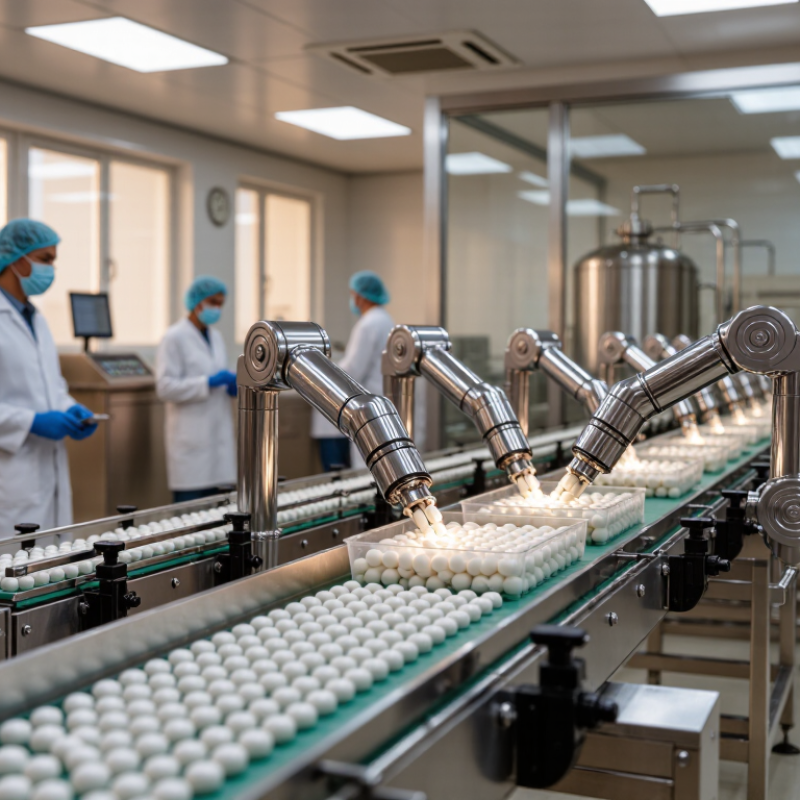
Top Tablet Supplement Manufacturers for Global Buyers

What Tablet Supplement Manufacturers Do and Why Global Buyers Need Them

Tablet supplement manufacturers turn scientific formulas into consistent, shelf-ready products. They convert powders into measured tablets, then manage coating, packaging, and batch documentation. Typical work includes ingredient sourcing, identity testing, microbial checks, stability studies, and production controls. Good facilities can also adjust tablet hardness, dissolution speed, and serving size for different markets.

Market pressure is substantial. Grand View Research valued the global dietary supplements market at approximately USD 177.5 billion in 2023. It projects a 9.1% compound annual growth rate from 2024 to 2030. Such growth increases demand for dependable manufacturing capacity. Global buyers need manufacturers that understand formulation limits, export documentation, labeling rules, and traceability. A tablet may look simple. It is not.

Manufacturers help buyers reduce production risks through validated processes and controlled supplier networks. They should provide certificates of analysis, batch records, contaminant testing, and complaint-handling procedures. The United States Pharmacopeia quality standards also emphasize ingredient identity, strength, purity, and performance. However, no factory is automatically reliable. An audit can miss weak sampling or rushed training. Buyers should inspect corrective-action records, not only polished certificates. Some specifications may also be unrealistic for a compressed tablet. That uncomfortable discussion often prevents expensive rework.

Key Criteria for Evaluating Tablet Supplement Manufacturers

A reliable tablet supplement manufacturer should prove quality through records, not polished presentations. Check its manufacturing licenses, quality certifications, and recent third-party audit results. A strong facility can explain each production step, from raw material receipt to final packaging. Ask for batch-specific certificates of analysis, laboratory methods, and acceptance limits. Generic documents are not enough.

Tablet performance also deserves close attention. Review dosage accuracy, hardness, friability, disintegration, and dissolution data. Request stability studies that reflect the target market’s heat and humidity. A sample may look perfect but still fail after months in a warehouse. Packaging tests should cover seal strength, moisture protection, labeling accuracy, and transport damage. Small details matter.

Traceability is another practical test. The manufacturer should link each batch to suppliers, operators, equipment, test results, and shipment records. Confirm its procedures for deviations, complaints, recalls, and change control. Clear answers show experience. Vague answers require caution. Capacity, minimum order quantities, lead times, and communication speed also affect long-term reliability. Ask who owns the formula and how approvals are documented. No supplier is flawless. I would still expect honest disclosure of limitations, because unexplained confidence can become an expensive problem.

Manufacturing Standards, Certifications, and Quality Control

For global buyers, tablet supplement quality begins long before a shipment leaves the factory. In supplier assessments, I look for documented GMP systems, trained operators, and controlled production rooms. GMP certification matters, but the certificate alone proves little. Buyers should confirm its scope, issuer, expiry date, and audit history. Strong facilities also maintain ISO 22000 or HACCP-based food safety controls. Clean surfaces, calibrated tablet presses, and separated allergen zones reveal whether procedures work daily. Small details matter.

Reliable manufacturers test incoming ingredients against approved specifications. Tests may cover identity, potency, moisture, microbes, heavy metals, and relevant contaminants. Finished tablets need batch-specific results, not generic laboratory statements. A credible certificate of analysis should identify methods, limits, results, and responsible reviewers. Independent laboratory testing adds useful distance from production pressure. Yet third-party testing is not magic. Sampling errors can still hide problems. Evidence matters.

Traceability should connect each tablet to its raw materials, operators, equipment, packaging, and release decision. Ask for mock recall records and stability data under realistic temperature and humidity conditions. Packaging controls should prevent mix-ups and protect tablets from moisture. Supplier audits should examine deviations, complaints, corrective actions, and data integrity. No quality system is flawless. The honest question is how quickly a manufacturer detects weakness and learns from it. Buyers should verify local registration, labeling, and import requirements before contracting, because certification does not replace legal compliance.

Product Development, Customization, and Minimum Order Requirements

Top Tablet Supplement Manufacturers for Global Buyers

Choosing a tablet supplement manufacturer requires more than comparing prices. Experienced buyers examine product development, customization, quality systems, and minimum order requirements together. A reliable manufacturer should explain formulation options, tablet size, coating, flavor, packaging, and expected production timelines. Technical teams may also review ingredient compatibility, compression behavior, stability data, and test methods. Clear documentation matters.

Customization can range from a simple label change to a fully developed formula. Buyers should ask whether the manufacturer supports pilot batches, sample revisions, packaging prototypes, and quality specifications. A practical development process includes written approval at each stage. It should also include testing for identity, purity, microbial quality, and physical consistency. Requirements differ between markets, so regulatory review must happen before production. Small details matter.

Minimum order quantities often depend on ingredients, tooling, packaging materials, and production schedules. A low tablet quantity may still require a large packaging commitment. Buyers should request a complete quotation, including setup fees, testing, storage, and shipping preparation. Smaller pilot orders can reduce risk, but they may increase unit costs. That trade-off is easy to underestimate. Some forecasts are wrong. Product demand can change after launch, and unused packaging may become expensive waste. Manufacturers with flexible batch planning can help, although flexibility is rarely unlimited. Ask for realistic thresholds, not optimistic promises.

Typical Tablet Supplement MOQ by Customization Level

Common minimum-order ranges used by global contract manufacturers for tablet supplement projects.

Minimum order quantities generally increase as buyers move from stock formulas to fully customized products. Formula development, tablet tooling, stability testing, packaging customization, and regulatory requirements can affect the final MOQ.

Global Sourcing, Pricing, Packaging, and Supply Chain Considerations

For global buyers, the best tablet supplement manufacturers combine verified quality with flexible production.

Grand View Research valued the global dietary supplements market at $177.5 billion in 2023. It forecasts a 9.1% compound annual growth rate through 2030. This growth increases pressure on capacity, testing, and delivery schedules. Request GMP certificates, recent audit records, batch traceability, and stability data. Do not judge suppliers by factory size alone. A smaller facility may offer better communication, but capacity can become a problem during seasonal demand.

Pricing and logistics Pricing depends on active ingredients, tablet weight, tooling, testing, packaging, and order volume. Ask for itemized quotations using clear Incoterms. Compare landed costs, not only factory prices. Packaging choices also affect protection and freight. Blister packs can improve moisture control, while bottles may reduce packing complexity. Check label requirements for every destination market. UNCTAD’s Review of Maritime Transport 2024 reported continued disruption risks across major shipping routes. Build safety stock and qualify a secondary supplier where practical. My own caution: dual sourcing sounds efficient, yet poor specification control can create inconsistent tablets.

Tips: Start with a pilot batch. Test hardness, disintegration, weight variation, microbial limits, and seal integrity. Confirm the manufacturer’s minimum order quantity before approving artwork. Keep written change-control procedures. Small overlooked changes can create expensive delays.

FAQS

What documents should a tablet supplement manufacturer provide?

Request manufacturing licenses, quality certifications, and recent independent audit reports. Generic files are not enough. Ask for batch-specific certificates of analysis, laboratory methods, and acceptance limits.

How can buyers evaluate tablet quality?

Review dosage accuracy, hardness, friability, disintegration, and dissolution results. A tablet can look perfect. It may still fail after months of heat and humidity. Request stability studies for the target market.

What packaging tests should be checked?

Confirm seal strength, moisture protection, label accuracy, and transport resistance. Inspect packaging prototypes when possible. A weak seal can expose tablets to warehouse moisture. Small details matter.

How important is batch traceability?

Each batch should connect to suppliers, operators, equipment, test results, and shipment records. Ask how deviations, complaints, recalls, and changes are documented. Vague answers require caution.

What should customization discussions include?

Discuss formula development, tablet size, coating, flavor, packaging, and testing methods. Ask about pilot batches and sample revisions. Written approval should cover every development stage. Do not rely on casual promises.

How should buyers assess minimum order quantities?

Ask for realistic quantities based on ingredients, tooling, packaging, and production schedules. A small tablet order may still require extensive packaging. Request setup, testing, storage, and shipping costs separately. Trade-offs are easy to underestimate.

How can buyers compare manufacturing prices fairly?

Compare complete landed costs, not factory prices alone. Include ingredients, tooling, testing, packaging, freight, and applicable delivery terms. The cheapest quotation may create higher downstream costs.

What supply chain risks deserve attention?

Check capacity, lead times, seasonal demand, and communication speed. Consider safety stock and a qualified secondary supplier where practical. Dual sourcing can help. Poor specification control may create inconsistent tablets. My judgment would remain provisional.

Conclusion

Tablet supplement manufacturers help global buyers turn supplement concepts into consistent, market-ready products by managing formulation, tablet compression, testing, packaging, and production at scale. Effective Tablet Supplement Manufacturing requires more than basic production capacity; buyers should assess technical expertise, facility hygiene, quality systems, traceability, and the ability to meet relevant regional regulations. Certifications, documented quality-control procedures, raw-material verification, stability testing, and batch inspection are essential for protecting product consistency and consumer safety.

When evaluating a supplier, global buyers should also consider product development support, customization options, tablet size and coating capabilities, minimum order quantities, and sample approval processes. Clear communication about pricing, lead times, packaging formats, labeling requirements, shipping terms, and inventory planning can reduce delays and unexpected costs. A reliable manufacturing partner should offer transparent quotations, scalable capacity, secure supply-chain management, and practical solutions for different target markets while maintaining consistent standards from initial development through final delivery.

Amelia

Amelia

Amelia is a dedicated marketing professional with a strong understanding of the company’s products, customers, and market trends. Through her practical experience and continuous research, she transforms complex product information into clear, valuable insights that help readers make informed......